
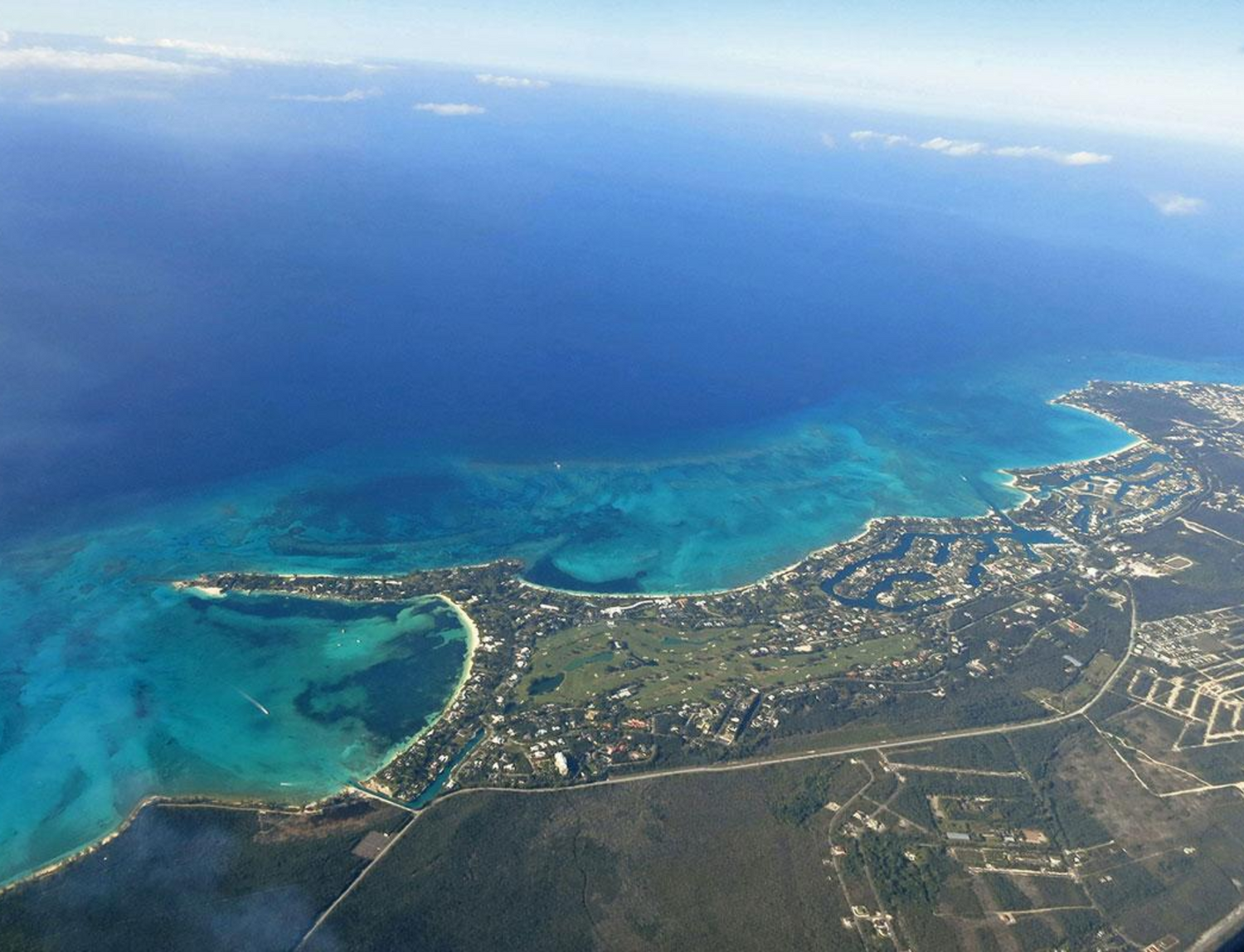
When people think about buying property in The Bahamas, one of the first questions that often comes up is: “What about hurricanes?” It’s a fair concern — storms are simply a part of island life in any part of the world.
But here’s what most buyers don’t realise:
First, while the threat is real during hurricane season, direct hits are rare. And second, homes in The Bahamas are often built stronger and smarter than people expect, because we anticipate hurricanes. Over the years, we’ve learned how to build, prep, and protect our lives, homes, and investments from them.
At ERA Dupuch, we’ve helped buyers through decades of seasons, and those who stay informed, prepared, and supported by a local team feel most confident in their investment.
Let’s break down what you really need to know about hurricane season in The Bahamas, and why it shouldn’t stop you from buying a home you love.
TL;DR: Hurricane Season in The Bahamas
-
Direct hits are rare, and most homes here are built with storm resilience in mind.
-
Insurance is widely available (including hurricane and flood coverage), and local brokers can help you tailor protection to your property.
-
Smart preparation matters, and systems are in place to support full-time and seasonal owners.
-
History shows that well-located homes in storm-prone areas often retain or increase in value after a storm.
Common Buyer Concerns About Hurricanes
If you’re thinking about buying a home or investing in property here, it’s natural to feel apprehensive. The images of damage can be intense, and the idea of owning property in a storm-prone region can feel risky, especially if you’re not from the islands.
Here are some questions we often hear from our clients:
-
“Will a storm destroy my investment?”
-
“Is hurricane insurance available. Is it expensive?”
-
“Should I buy a house here if I can’t be on the island to prep it myself?”
-
“Will the value of my home drop if a hurricane hits the island?”
-
“Are some areas riskier than others?”
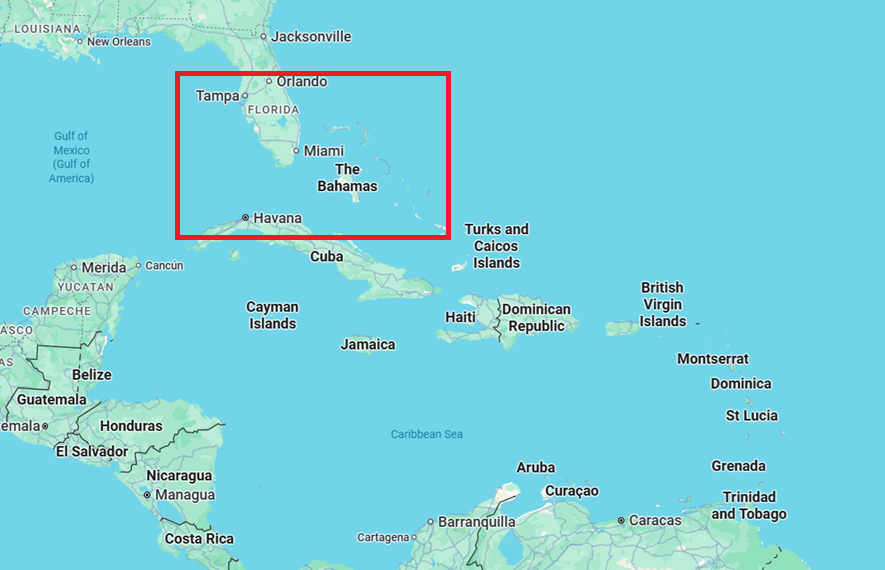
These are smart questions, but many people don’t realise that The Bahamas and Florida share a similar position in the Atlantic hurricane belt. Both face the same storm risk and have developed strong building codes, local experience, and long-term resilience in their housing markets.
In fact, they offer a useful comparison.
Real Estate After the Storm: The Lessons From History
A long-term study in Florida analysed hurricane-impacted areas from 2000 to 2016 and found that home prices in storm-exposed neighbourhoods actually rose by up to 10% within two years of a hurricane, and remained about 5% higher than baseline even three years later.
The key reason? Limited housing supply, steady buyer demand, and strong investor confidence in high-appeal locations.
The results show that while hurricanes can cause short-term disruption, they do not drive down long-term real estate values. In fact, prices rebound and even rise in storm-prone areas where demand remains strong.
We’ve seen a similar pattern here in The Bahamas. After Hurricane Dorian in 2019, one of the strongest storms in Atlantic history, parts of Abaco and Grand Bahama were hit hard. But rebuilding began quickly. Residents, private businesses, and international partners worked together to restore homes and infrastructure.
In the following years, interest didn’t vanish. Instead, buyers turned to other islands like Eleuthera and Exuma, and over time, demand returned even in affected areas.
Here’s what this means for you:
-
Well-built homes tend to hold their value, even after a storm. Buyers look for quality construction and thoughtful location.
-
Markets may dip temporarily, but they recover, especially in places with long-term appeal and limited inventory.
-
Prepared buyers often find opportunity in quieter markets, including better pricing, motivated sellers, or homes that have already been upgraded post-storm.
At ERA Dupuch Real Estate, we often meet buyers with hurricane questions, and we always reassure them: storms are a part of island life, just like they are in Florida, the Carolinas, and the Gulf Coast. But they haven’t stopped people from buying, building, or investing in places they love.
Hurricane-Readiness: How to Hurricane-Proof Your Home and Life in The Bahamas
One of the biggest surprises for new buyers is just how storm-ready homes in The Bahamas already are. Hurricane awareness is baked into how we build our homes, plan our neighbourhoods, and how our communities operate.
Let’s take a closer look at how we’ve built hurricane-readiness into our constructions and lifestyle.
Built-In Storm Protection
Most homes in The Bahamas, especially those built in the last couple of decades, are made with concrete block construction, reinforced roofs, and hurricane shutters or impact-resistant windows. We don’t consider them luxury add-ons here because they're designed to withstand storm pressure.
Since Hurricane Dorian in 2019, many new builds have taken it even further. You’ll see elevated foundations, improved drainage, and thoughtful landscaping that keeps water away from the home.
Gated communities often require hurricane-resistant features in their HOA guidelines.
Even if you’re considering an older home, many have been upgraded over the years with better windows, roofing systems, or storm shutters. And if not, you can negotiate the price and include these upgrades in your renovation or investment budget. These upgrades are part of a smart, long-term investment in property protection and often increase the value of your home.
Smart Ownership Practices
No matter how well a home is built, being a smart homeowner makes a difference. In The Bahamas, storm prep is instinctive. Most residents don’t scramble at the last minute because they’ve already got the basics in place.
Whether you live here full-time or visit seasonally, it helps to understand your property’s risks and have a basic plan. You don’t need to go overboard, but it can help to understand your property’s risks and how to respond if a storm is coming.
Start by asking:
-
Is this home in a flood-prone area?
-
How close is the nearest shelter or clinic?
-
What’s the typical storm history for this part of the island?
Next, a well-stocked home, especially between June and November, is just smart. Start with the essentials:
-
Bottled water (enough for at least a few days)
-
Non-perishable food
-
Prescription medications
-
Flashlights and extra batteries
-
A first-aid kit
-
Portable phone chargers or a backup power bank
That’s all… You don’t need to fill your cupboards with extras you’ll never use. But having the right essentials on hand can make all the difference if a storm does pass through.
If you’re living in the home full-time, check your supplies at the start of the season and again before any travel. Seasonal homeowners often keep a sealed kit in storage and ask their caretaker to top it off before hurricane season.
It’s also smart to consider backup lighting, fans, or a generator, especially if the home is in a remote area where power may take longer to be restored.
Document Everything
If there’s one thing that can make your life easier after a storm, it’s having solid documentation. Think of it like a photo diary of your home to serve as proof of what was there, what condition it was in, and what it’s worth.
Start with wide shots of each room. Then zoom in on the details: appliances, furniture, art, electronics, custom upgrades, and outdoor features such as patios, docks, and fencing. If you’ve renovated, include receipts and before-and-after photos. These photographs will come in handy for your own records as well as an insurance claim, if needed.
Save everything in a cloud-based folder that you (or your property manager) can access from anywhere. That way, if you're abroad and need to file a claim, all the info is at your fingertips, not sitting in a drawer back on the island or lost in the storm.
Having this record helps in three key ways:
-
It speeds up claims and reduces back-and-forth with insurers
-
It protects you from underestimating the value of what you’ve lost
-
It gives you a reliable starting point if repairs or replacements are needed
It’s one of the easiest, most overlooked ways to protect your investment, and it’s something every buyer should do, even if a storm never comes.
Insurance in The Bahamas
Hurricane insurance is widely available in The Bahamas, but there are a few things every buyer should know. First: flood insurance is not always included. It’s often a separate rider or policy, and you’ll want it, especially in lower-lying areas or waterfront homes.
Second, premiums vary based on location, elevation, construction type, and proximity to the coast. A concrete-block home on a hilltop will likely be cheaper to insure than a beachfront cottage on stilts. Overall, coverage is accessible (typically 2% of property value).
Storm damage can result from wind, rain, or storm surge, and not all policies treat them the same way. That’s why we always recommend working with a local insurance broker who understands not just the paperwork, but the geography and real-life risks. They can walk you through what’s covered, what isn’t, and how to tailor a plan to your property.
And if you ever do need to make a claim? That documentation you saved (photos, receipts, inventory lists) will make the process faster and smoother.
Working with Property Managers and Communities
If you won’t be living in your home full-time, having a trusted person on the ground to secure things for you can help you relax.
Many seasonal homeowners hire a property manager or caretaker to handle everything from closing shutters and moving outdoor furniture to conducting a full walkthrough after the storm. Some even send video updates so you can see the condition of your home firsthand.
If you’re buying in a gated community or a managed neighbourhood, chances are there’s already a hurricane protocol in place. Many developments have:
-
Shared emergency supply kits
-
Staff or caretakers who secure homes
-
Group communication systems to keep residents updated
-
Post-storm check-ins for absentee owners
Even if you’re not living here full-time, these systems can help you feel connected and protected year-round.
Smart Buying During Hurricane Season
For many buyers, the idea of shopping for property during hurricane season feels counterintuitive or even risky. But the truth is, some of the savviest buyers we’ve worked with have purchased during the storm season and been better for it.
Here’s why:
Competition is Less
Most casual shoppers wait until “high season” (usually late fall through spring) to get serious. That means listings still move during the summer and early fall, but often with less competition. You may have a bit more breathing room to view properties, ask questions, and negotiate without the pressure of a bidding war.
See How a Property Performs in Real-Time
Visiting or inspecting a property during the rainy season means you can observe things that don’t show up in listing photos. You’ll get to observe:
-
How the property handles heavy rain
-
Whether the elevation keeps water away
-
How well shutters and impact windows are installed
-
What drainage look like around the lot
-
Whether the area feels calm, protected, and secure
It’s the closest thing to a real-world stress test, and it can give you confidence in your decision.
Sellers May Be More Flexible
While not always the case, some sellers are more open to negotiation during hurricane season, especially if they’re hoping to close before the holidays or the start of the peak travel season. If you’re a ready buyer, that flexibility can work in your favour.
If you’re curious about investing during hurricane season in The Bahamas, or just want a second opinion on a property you’re considering, reach out to one of our agents. We’ll help you understand the risks and opportunities and make a confident investment in a home you’ll love season after season.
Posted by Helen Dupuch on
Enjoy this blog post? Click here to subscribe for updates
Leave A Comment