
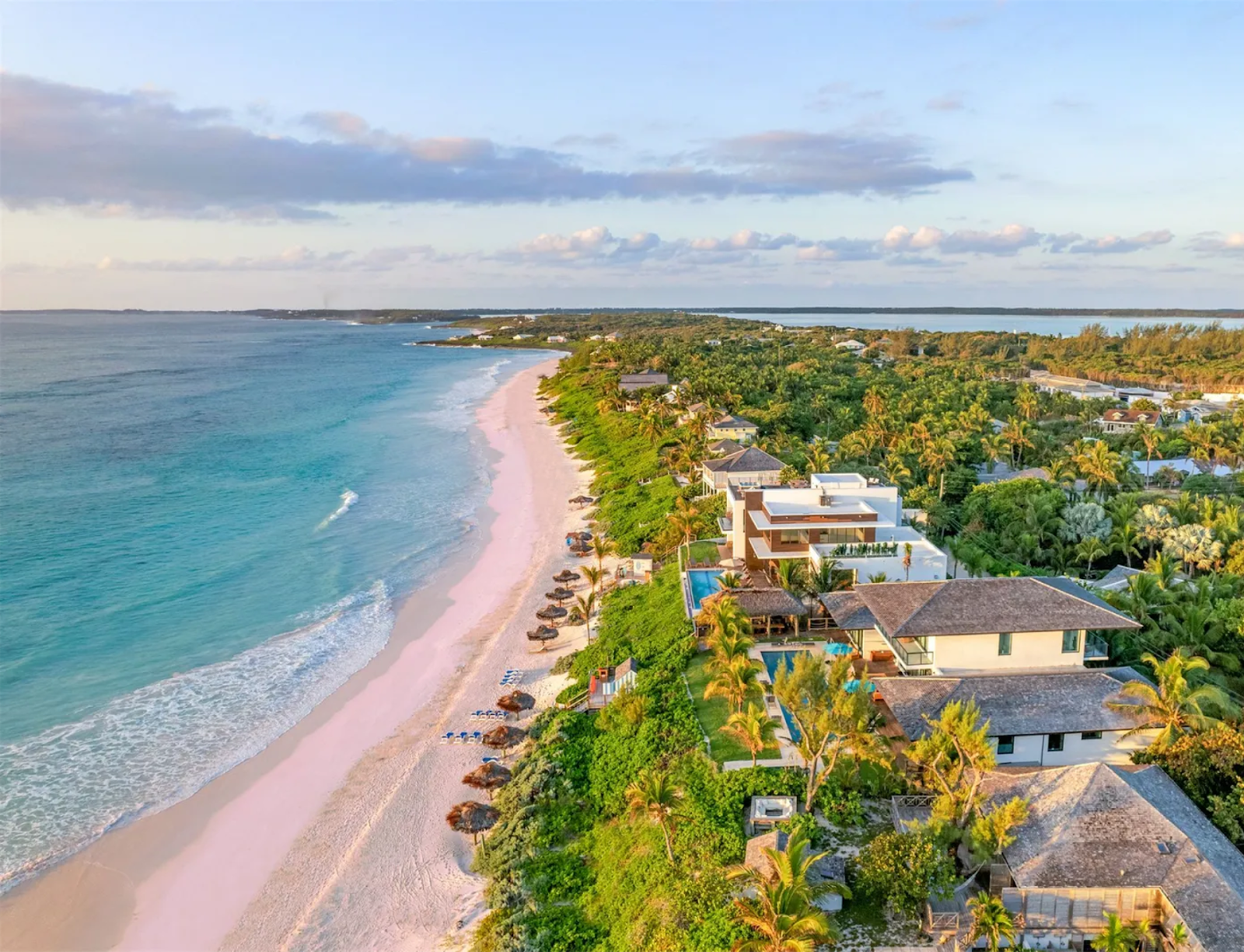
You’re not alone in thinking about buying a house in The Bahamas. Every year, people move to our sunny islands for lifestyle, investment, or both. In fact, in 2022, The Bahamas saw a record population increase of more than 100%, but we aren’t surprised, given the many benefits of moving to our country.
The Bahamas offers more than just turquoise water and palm-lined beaches (though we have plenty of those). With no income tax, no capital gains tax, and straightforward property ownership for foreigners, it’s one of the most accessible and appealing places in the region to invest. And with direct flights from major cities around the world, you're never too far from the life you're building here.
This guide will walk you through everything you need to know: from the step-by-step buying process to what it actually costs, financing options, where to buy, and tips we’ve learned from decades in the market.
Let’s get started.
Table of Contents
Why Is The Bahamas Real Estate Market Favourable for Buyers?
Is Buying a Home in The Bahamas Right for You?
Can Foreigners Buy Property in The Bahamas?
Step-by-Step: How to Buy a House in The Bahamas
What Does It Cost to Buy a House in The Bahamas?
Financing and Mortgages: What You Need to Know
Buying vs. Building a Land in The Bahamas
Where to Buy a House in The Bahamas: From Island Picks to Nassau Hotspots
Expert Tips First-Time Buyers Wish They Knew Before
Why Is The Bahamas Real Estate Market Favourable for Buyers?
The Bahamas continues to attract buyers from around the world for both lifestyle and long‑term investment value. The demand is steady, and the inventory is limited, but that’s exactly why buyers who are prepared and realistic can succeed here.
Here’s what makes today’s market favourable for buyers:
-
Prices have stabilised after previous spikes, giving buyers more confidence in long-term value.
-
Homes are selling near the asking price, but only when they’re priced right, which means there's room to negotiate if a property sits on the market too long.
-
More listings are hitting the market, which gives buyers more choice than they had even a year ago.
-
Luxury demand remains strong, especially in the million-dollar range, proving that high-end buyers see the long game.
-
Land offers flexible entry points, especially for those looking to build a custom home or invest in long-term appreciation.
So while this isn’t a bargain-basement market, it is a smart one, with well-priced properties still moving, and more opportunities appearing for buyers who know what they want.
Expert Tip: When inventory is limited, strategy matters more than timing. Working with a local expert can help you spot opportunities early and negotiate effectively to avoid overpaying in competitive segments.
Bahamas real estate market report 2025
Is Buying a Home in The Bahamas Right for You?
Buying a home in The Bahamas is the right move for many, but whether it’s right for you depends on your goals. Every person, every family’s situation is different.
We work with all kinds of buyers: digital nomads who’ve realised they can work from anywhere, and want that “anywhere” to come with turquoise water and fresh conch salad, retirees, snowbirds, empty nesters, folks who’ve spent decades dreaming of a slower, sunnier life. And investors who see The Bahamas as a smart, stable place to grow wealth, especially with our tax-friendly setup and strong vacation rental demand.
Here are a few reasons people love it here:
-
An English-speaking country
-
No income or capital gains tax
-
Direct flights from major cities like Miami, Toronto, New York, and London
-
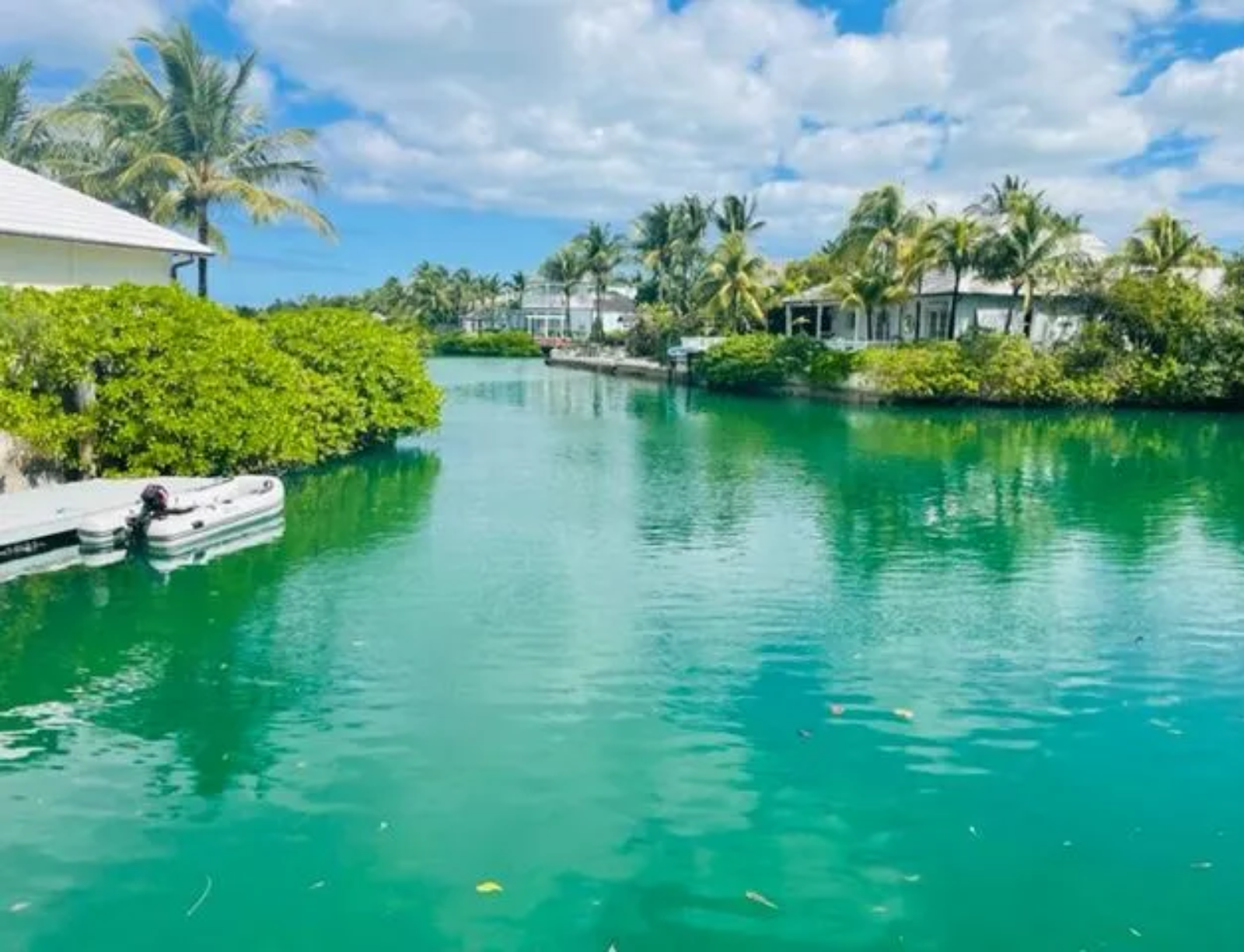
A wide range of islands and lifestyles. Think from resort-style living in Nassau to off-the-grid escapes in the Exumas
-
An easygoing culture that feels welcoming and safe
And if you’re a family with young children, you’ll find plenty of fun and educational activities to do and some of the best schools in the Caribbean.
So, whether investing in property in The Bahamas is right for you depends on your individual situation. But if you’ve been craving a lifestyle change and a smart place to put your money, buying here might be one of the best moves you’ll make.
Learn more about the cost of living in The Bahamas
Can Foreigners Buy Property in The Bahamas?
Foreigners can buy property in The Bahamas with very few restrictions. In fact, we’ve made it fairly straightforward because we welcome international buyers and investors. But there are a few legal points you should know upfront.
If you’re buying a single-family home for your own use, you generally don’t need a permit. Simple as that. You only need to apply for a Certificate of Registration, which can provide legal clarity should you resell the property later.
But, if your plans include:
-
Buying land over 2 acres
-
Purchasing a property you plan to rent out
-
Purchasing commercial property
…then you’ll need a permit from the Investments Board, under the International Persons Landholding Act.
Many of our buyers also apply for annual or permanent residency, especially if they plan to stay long-term or want to spend more than 90 days in the country at a time. Some investment thresholds even qualify you for permanent residency.
We recommend working with a good local agent and attorney to make your buying process smooth. Our agents will guide you through every step, and we can also recommend trusted attorneys whom we’ve worked with for decades on similar transactions to help you handle the paperwork.
Want to talk through the legal side? Talk to one of our experienced local agents or learn more about how foreigners can own a property in The Bahamas.
Expert Tip: It’s best to engage a Bahamian attorney to manage your purchase, as their insurance will serve as title insurance for your property if any issues arise later.
Step-by-Step: How to Buy a House in The Bahamas
Buying a home in The Bahamas is a dream come true for many, but navigating the purchase process with a clear understanding of the steps involved is crucial. So, let's go through the steps involved in purchasing property here and how we at ERA Dupuch Real Estate can make this process easier for you.
1. Choose the Right Real Estate Agent
You may be tempted to do it alone, but we strongly suggest you engage a real estate agent when you begin house hunting in The Bahamas. With over 700 islands and diverse real estate options, your best bet for buying a suitable house here is through an agent.
A good agent will get to know you and your situation and show you all suitable listings. Make sure the agent you select is proficient with technology, which is vital if you’re an overseas buyer or interested in family islands, since you may not want to hop between islands frequently.
At ERA Dupuch Real Estate, our team is well-versed in real estate apps, online resources, and digital tools, providing you with a comprehensive view of available properties.
Expert Tip: Work with only one agent, as mutual commitment will ensure your agent will do their very best to find the right property for you.
Hire our expert real estate agents for a smooth buying process
2. Understand Your Budget and Costs
Before diving into listings, it’s smart to take a clear-eyed look at your finances. How much can you comfortably spend? Are you planning to pay cash, or will you need financing? What would your monthly costs look like?
At this stage, we help you:
-
Outline your ideal price range
-
Connect with trusted local lenders (if needed)
-
Understand how factors like location or property type can affect long-term costs
This ensures you’re looking at homes that fit both your lifestyle and your long-term goals.
Expert Tip: If you’re planning to finance, get pre-qualified early. It strengthens your position when you make an offer and ensures you’re shopping in the right range, saving you from heartbreak from loving the wrong home.
3. Choose the Right Property Type
Your real estate agent will help you zero in on the features that matter most to you. Maybe you’re set on being right on the water, maybe the rental potential of a property is a deal maker for you, or you just want enough space for the grandkids to visit comfortably. Once we understand your priorities, we’ll focus only on the properties that truly fit.
What’s right for you will depend on your lifestyle, budget, and long-term goals. For example:
-
Condos are great for singles, couples, or small families looking for convenience, low maintenance, and often a bit of luxury at a lower price point.
-
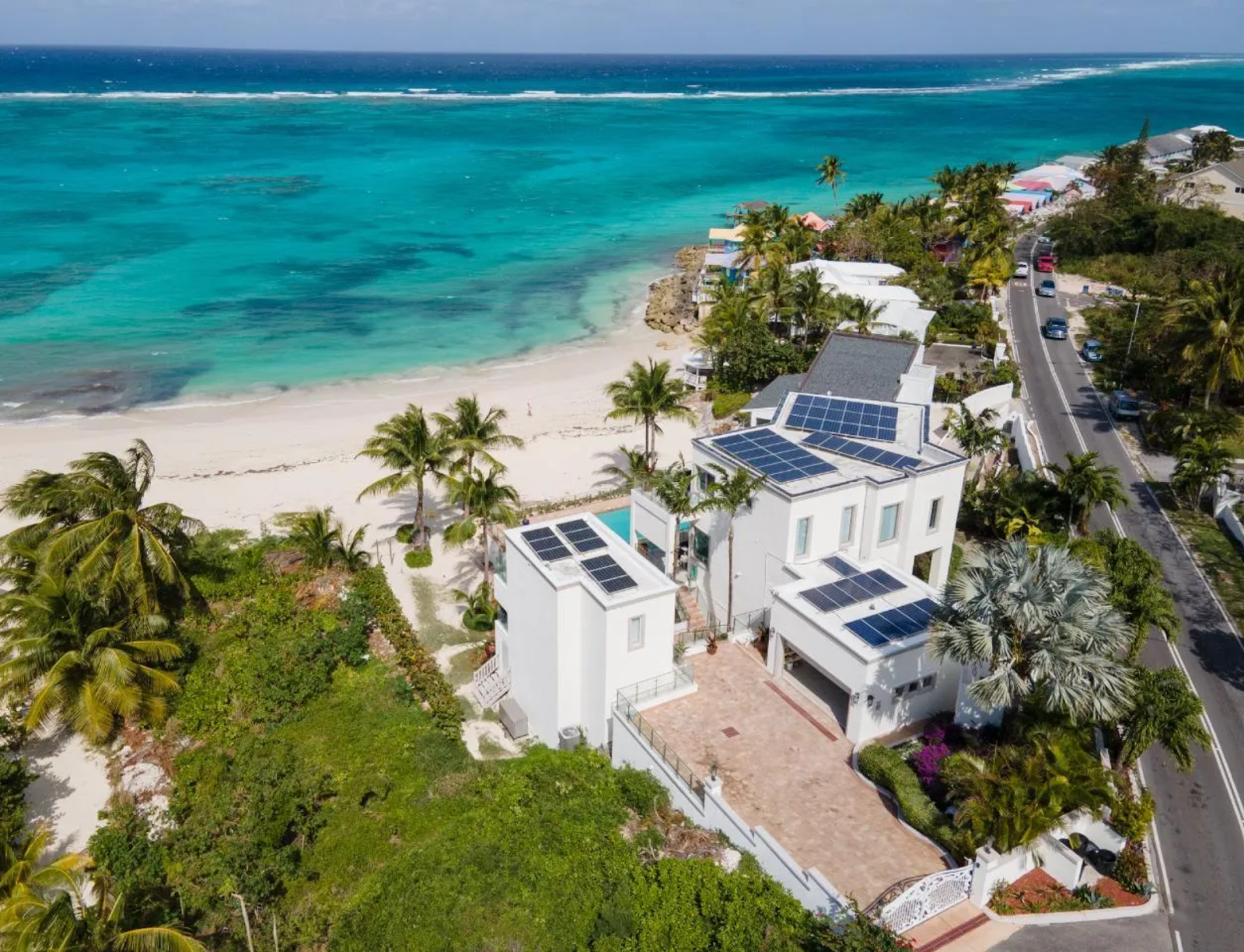
Beachfront homes offer privacy, space, and unmatched views, the very picture of the laid-back island lifestyle. They’re usually more expensive, but for many, the lifestyle is worth the premium.
-
Income properties, like duplexes or short-term rental-ready homes, are a great fit for buyers who want to enjoy their home part-time while earning rental income the rest of the year.
Expert Tip: Make two lists: one for must-haves and one for nice-to-haves. Don’t forget to include any deal breakers. This will help your agent zero in on the right properties and give you a clear North Star to follow as you review options. It keeps the process focused, especially when choices start to blur.
4. Tour Properties (In-Person or Virtual)
We only show our customers the most promising properties. Since touring properties is a pivotal part of buying a house, we offer our customers various options to inspect the properties they shortlist.
During in-person property showings, you can walk through your potential new home or investment with our agent and ask all the questions you may have. If you can’t make it to an in-person visit, we also offer virtual tours for your convenience, which means you can efficiently tour properties in The Bahamas from any part of the world.
ERA Dupuch Real Estate was one of the first brokerages to adopt virtual tour technology and pioneered electronic storage/signature platforms, giving you the advantage of technology-driven real estate experiences.
Expert Tip: Note what you like and dislike about each house, and how you feel about the property during the visit. This will help you compare them with your list of needs and wants and make a decision you feel comfortable with.
5. Make an Offer and Negotiate
Once you’ve found the right property deal, the next step is submitting an offer. This is where having a knowledgeable local agent really matters.
We’ll look at comparable sales, current market conditions, and how long the property has been listed to help you make a strong yet sensible offer. Even in a seller’s market, the listing price isn’t always the final price.
Negotiations can include:
-
Purchase price
-
Deposit amount
-
Closing timeline
-
Repairs or conditions
Our role is to protect your interests, keep emotions out of it, and guide the conversation so you don’t overpay or agree to terms that don’t work for you.
Expert Tip: It’s rarely a good idea to negotiate on your own. A local agent understands pricing and customs and can steer the discussion to your benefit, especially in a competitive market like The Bahamas.
6. Close the Deal
Once an offer is accepted, you move into the closing phase. This is where the legal work happens, and the finish line comes into view.
Here’s what you should expect to happen in this stage:
-
Attorneys complete due diligence and title checks
-
Final documents are prepared and signed
-
Funds are transferred and recorded
-
Ownership officially changes hands
Closing timelines can vary depending on financing, inspections, and whether the buyer is local or overseas. Some transactions move quickly; others take a bit longer — and that’s normal.
We stay involved right through closing, working alongside your attorney and keeping the process moving so there are no surprises.
Want a deeper look at timelines and what can affect them?
Learn how long closing on a house can take in The Bahamas
What Does It Cost to Buy a House in The Bahamas?
If you’re seriously thinking about buying property here, you should understand the full range of costs involved. Besides the price of the home, you’ll incur several legal, tax, and insurance-related expenses that come with buying and owning real estate in The Bahamas.
Some are one-time costs paid at closing. Others, like property tax and insurance, are ongoing. Having a clear view of these upfront can make planning easier and help you avoid surprises down the line.
Every buyer, local or foreign, should be prepared to budget for the following main expenses:
|
Cost |
Typical Range |
|
Value-Added Tax (VAT) |
2.5% to 10% based on tiers and buyers’ status (shared between buyer and seller) |
|
Legal Fees |
Usually 2.5% of the purchase price (buyer and seller pay their own attorneys) |
|
Real Property Tax |
Annual tax based on assessed value (rates vary by use and ownership) |
|
Insurance (hurricane, etc.) |
Varies by location, property type, and proximity to the ocean (≈2% of value annually for hurricane coverage) |
|
Appraisal / Survey Fees |
Varies, but typically a few hundred dollars |
|
Permit Fees (if applicable) |
Required for non-Bahamians buying over 2 acres or for rental/commercial use |
Expert Tip: Ask your real estate agent or attorney about the various property tax exemptions available. Chalk out a plan with them to maximise your tax benefits on buying a house in The Bahamas.
In addition to the main transaction costs, there are a few other expenses buyers sometimes overlook, but they can add up and make a difference to your overall budget:
Property Inspection: This isn’t mandatory, but we strongly recommend it. A licensed inspector can uncover structural issues, roofing problems, outdated plumbing or electrical systems. These are things you might not notice during a showing. It’s a relatively small cost upfront that can save you thousands (and a lot of stress) later.
Moving Costs: If you’re relocating from overseas or another island, moving expenses can add up quickly. Factor in shipping, customs duties, local transport, and possibly short-term storage while you get settled. If you’re coming from abroad, working with an experienced relocation company can help make the process smoother.
Learn more about moving to The Bahamas
Furnishing and Repairs: Many homes in The Bahamas are sold furnished, but “furnished” can mean anything from fully turnkey to just a few basics. You may want to refresh the furniture, repaint, update the appliances, or do some light renovations to make the home truly yours. Even small upgrades can add to your move-in budget.
HOA or Community Fees: If you're buying in a condo development or a gated community (like Albany, Old Fort Bay, Sandyport, or Palm Cay), expect regular fees that cover maintenance, security, amenities, and sometimes insurance. These fees vary widely depending on the location and services offered, so be sure to ask about them early in the buying process.
Learn more about how much to save for a house in The Bahamas
Financing and Mortgages: What You Need to Know
Financing a home in The Bahamas can be relatively straightforward, especially if you know what to expect and get guidance early in the process. The type of financing available to you may depend on your residency status, financial background, and which bank or institution you work with.
For Bahamian Citizens and Permanent Residents
Local banks offer a range of mortgage products, often with:
-
Terms of up to 25 years
-
Competitive interest rates
-
Down payments as low as 5%
Banks will assess your income and repayment ability to determine how much you can borrow, typically up to US $2M from commercial banks. Larger loans may be available through private lenders.
For Non-Bahamians and Expats
Foreign buyers can still access financing, but the process can be more complex and lengthy. Here’s what to expect:
-
Down payments of at least 30% are common
-
Loans are issued in US dollars
-
Interest rates are based on international market rates
-
Mortgage terms are often shorter (10–15 years)
How Much Can You Borrow? Most local banks will lend up to US $2 million for residential property purchases, depending on your income and ability to repay. Larger amounts may be available through private banks or specialised financial institutions.
What Are Typical Mortgage Rates?
Mortgage interest rates in The Bahamas generally range between 5% and 8%, with terms typically amortised over 15 to 25 years, depending on the lender and your residency status. Rates and loan terms may differ between local and international banks, so it's important to compare your options.
Approval depends on meeting underwriting criteria, including credit history, income verification, and net worth. Not all banks finance buyers from every country, so it’s important to get advice before applying.
We can connect you with trusted professionals we’ve worked with for decades, who understand the ins and outs of financing property in The Bahamas. Whether you’re buying your first home or investing in a second one, we can help you find a financial solution that fits your needs.
Expert Tip: Financing can take time, especially for international buyers, so start early and get pre-qualified if possible. It shows sellers you're serious and gives you a clear budget to work with.
Learn more about financing a house in The Bahamas
Buying vs. Building a Land
For many buyers, the big question isn’t just where to invest. It’s how. Should you buy a ready-made home or purchase land and build a custom home?
Both paths have their advantages, but they involve very different processes, timelines, and costs. Let’s break it down to help you get a clearer sense of what each option entails.
Buying a Home = Turnkey Convenience
Buying an existing home in The Bahamas is often the simpler route, especially if you want to move quickly or invest in a proven rental location.
Here’s why many buyers lean toward purchasing an existing property:
Faster Move-In: You can close the deal, get the keys, and start enjoying (or renting out) your home right away.
Clear Upfront Costs: You know what you’re paying, and there are fewer financial surprises than with new construction.
Established Communities: Many resale homes are located in developed areas with roads, utilities, beach access, and security already in place.
Renovation Flexibility: If the home isn’t quite perfect, you can still remodel or upgrade without having to manage a full build from the ground up.
Building a Home: Custom Control, More Moving Parts
Building gives you the chance to create exactly what you want, especially in areas with limited listings. But it comes with a longer timeline and more complexity.
Customisation: You control the layout, finishes, and overall design. It’s perfect if you have a specific vision or want to build a vacation rental that stands out.
Time Commitment: From permits to construction, building can typically take 18–24 months or more, and that can require patience.
Cost Factors: Building costs can range from $250 to $750 per sq. ft., depending on the island, finishes, and logistics. That doesn’t include land costs, permits, or unforeseen delays.
Location Challenges: On remote islands, you may need to bring in labour and materials, which adds extra costs and requires more coordination.
Upfront Costs: Land, architectural plans, utilities, and permits can add up quickly before construction even begins.
So, how do I decide whether to buy or build a house in The Bahamas?
The right choice depends on your timeline, budget, and what’s available where you’re looking. In some areas (like Long Island or Cat Island), building may be your only option due to limited inventory.
In other areas, such as Nassau, Exuma, or Paradise Island, buying in an established neighbourhood may offer faster returns and peace of mind.
Expert Tip: If you’re on the fence, talk to an agent who knows the local land and resale market. We’ll help you compare real numbers, not just estimates, so that you can make the best call for your goals.
Want to know which option is cheaper? Learn the pros and cons of buying vs. building a house
Where to Buy a House in The Bahamas: From Island Picks to Nassau Hotspots
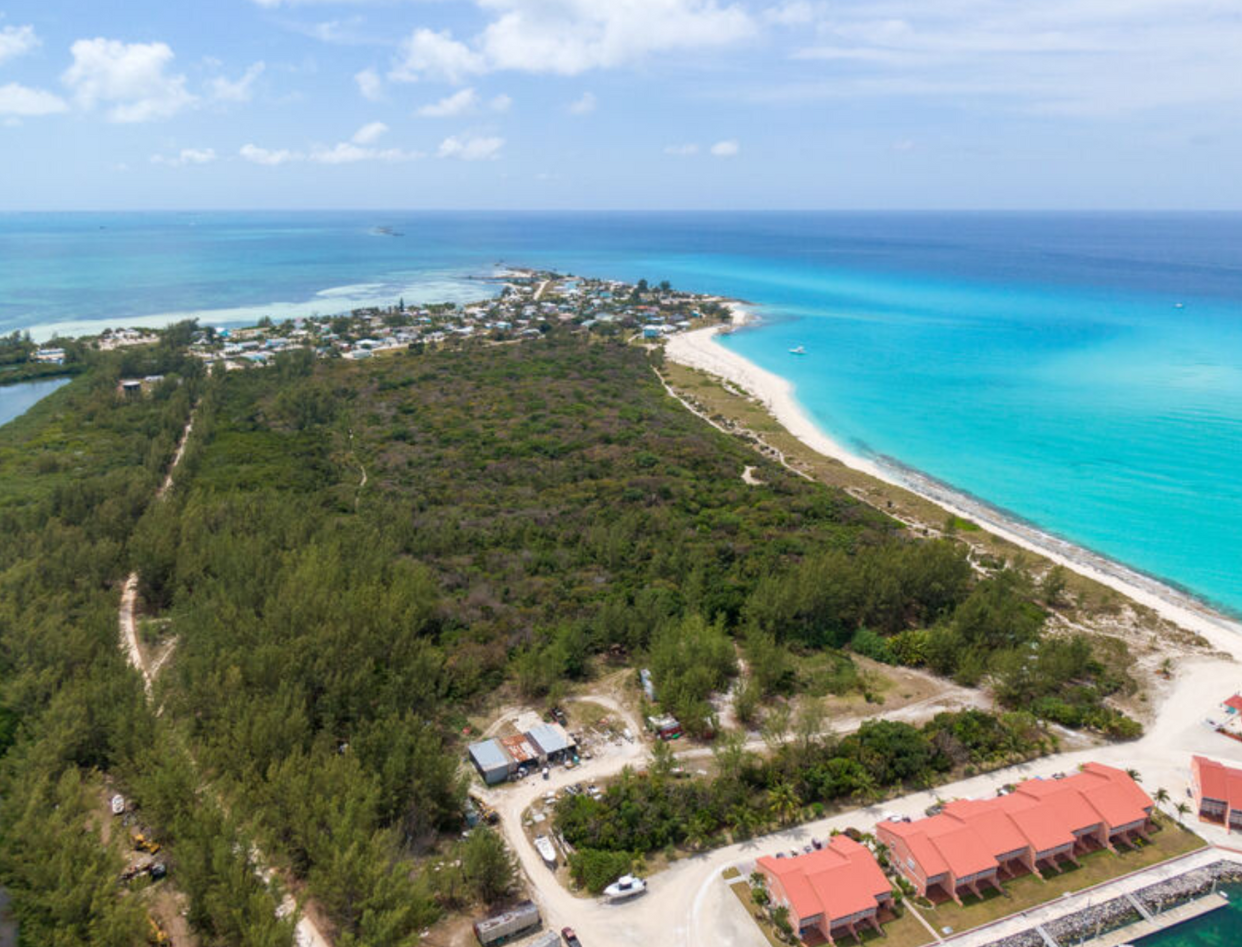
Although The Bahamas is a relatively small island country, it offers diverse options for homebuyers. Properties on or near the ocean are typically always in high demand and appreciate well over the years. Additionally, gated communities and developments are always sought for their secure nature and on-site amenities.
Expert Tip: Keep an eye on upcoming developments that are expected to deliver long-term gains as they progress, creating attractive real estate investment opportunities.
Contact ERA Dupuch Real Estate for promising real estate investment opportunities
Hot Neighbourhoods in Nassau
Nassau/New Providence is The Bahamas' most densely populated island. It’s known for spectacular developments like Baha Mar and Albany, as well as for luxurious and secure communities and neighbourhoods.
Here are a few famous neighbourhoods and communities on New Providence Island that you should consider:
Lyford Cay: Located in the west of New Providence, Lyford Cay is a luxury gated community with a fantastic beach, golf course, club, marina and school. Wealthy locals, expats, and investors who want a grand, luxury home should look into Lyford Cay.
Old Fort Bay: It’s a canal-based, family-friendly community on one of the best beaches in The Bahamas. This gated community is perfect for those looking for luxury homes in a charming island-style setting.
Sandyport: Another canal-based community, with mid-size homes and townhouses. It’s extremely popular with locals and expats alike, thanks to its family-friendly community and proximity to many amenities. Families and investors looking to capitalise on the high demand for Sandyport rentals should consider this community.
Port New Providence: It’s a canal-based community east of New Providence. With its own private beach, Port New Providence is a favourite among locals, and expat interest is also increasing. In this gated community, you can find large homes on large lots and condos at Seapointe.
Ocean Club Estates: Ocean Club Estates is an exclusive luxury beachfront community on Paradise Island. It's known for its golf course, harbourfront homes and the fabulous Ocean Club Residences condos within its gates.
The Reef at Atlantis: The Reef at Atlantis is a luxury condo-hotel where owners can either stay in their unit (up to 90 days) or have it generate income in the rental pool. It’s a great choice for investors who want to enjoy all the amenities of Atlantis Resort and Casino. It’s an especially attractive option for those with children!
Palm Cay: It’s one of the few communities allowing vacation rentals, making it hugely popular with investors. Beachfront, marina-based Palm Cay has a full suite of amenities, making it the perfect choice for both investors and those wishing to reside full-time. Single-family homes and condos in multiple sizes and price points are available at Palm Cay.
Goldwynn: Goldwynn Phase 2, The Penthouses at Goldwynn, offer the ultimate beachfront living in Nassau. These luxury penthouse suites are the epitome of modern luxury, with sweeping panoramic ocean views and exclusive amenities!
Family Islands Worth Exploring
Expats naturally gravitate toward real estate in Nassau/New Providence, but soaring demand, limited inventory, and higher prices have prompted both native Bahamians and expat investors to explore other islands.
For locals, returning to their roots is appealing, where life is calmer and budget-friendly. Expats are attracted to them for the promise of an exotic island lifestyle, even though these islands may not offer mega-hotels, casinos, or attractions like those in Nassau.
For those looking beyond the capital, here are a few islands that stand out and are worth your consideration.
Exuma: A favourite among second-home buyers and boaters, Exuma offers stunning ocean vistas, friendly communities, and easy access via international flights into George Town. You’ll find everything from beachfront villas and canal lots to off-grid hideaways. It’s also one of the best islands for vacation rentals due to its high tourist appeal.
Eleuthera: Known for its pink-sand beaches and laid-back charm, the island has a growing real estate market with limited inventory and a greater focus on land. Boutique resorts and luxury communities are drawing more attention to the island, making it an exciting option for both lifestyle buyers and investors looking for long-term appreciation.
Abaco: Abaco is beloved by boaters for its beautiful marinas and access to the Abaco Cays. The island has been rebuilding steadily and beautifully after Hurricane Dorian, with new opportunities to buy into areas on the rise. Treasure Cay and Montage Cay are two areas to keep an eye on for their charm and community feel.
Cat Island: One of the quieter islands, Cat Island is perfect if you’re looking for authenticity and a deeper connection with nature. It’s more remote, but the beauty and tranquillity make it a favourite for those wanting an off-the-grid lifestyle or to build a custom retreat.
Long Island: A hidden gem for buyers seeking space, relative affordability, and unspoiled beaches. There’s a small inventory, and the market is more favourable for buying land for a custom build. It’s ideal for people who want to build waterfront retreats or invest early in an island with serious long-term potential.
Discover the best island to live in The Bahamas
Factors to Consider When Choosing a Location
Each Bahamian island has a unique appeal. Nassau, the busy capital, is all about the luxury and charm of a big city. In contrast, the Family Islands offer peace, natural beauty, and a relatively lower cost of living. So explore your options carefully and match them to your desired lifestyle before you make your decision.
Here are a few factors to keep in mind when choosing a location for buying your new home in The Bahamas:
Accessibility: How easy is it to get to? For example, do you want direct flights, or are you okay with multiple stops to reach your island home?
Beach or no beach: Is being on or near the beach important? It usually is, but beachfront properties are typically more expensive and high-maintenance, so you’ve got to decide if it’s a deal breaker for you or not.
Budget: It’s crucial to set a budget, both for purchase and long-term fees, before you start house hunting. Check HOA fees and factor in the maintenance and insurance expenses, which tend to increase with proximity to the ocean.
Restrictions: Many islands and communities may restrict how you will use the property. For example, some small islands and many gated communities have a no-car policy. Similarly, many communities do not allow short-term rentals.
Amenities: Make sure your chosen location offers the amenities you desire. For example, if you play golf, you can choose a community with golf courses, or if you’re a boater, choose a marina or canal-based community to enjoy water sports or park your boat in your backyard. Other amenities to consider include gated entry, pools and gyms within the complex, shops, healthcare, restaurants and schools in the neighbourhood.
Expert Tips First-Time Buyers Wish They Knew Before
Every time we work with someone buying their first or second home in The Bahamas, we hear a lot of “I wish someone told me that sooner.” And honestly, there are a few things we wish every first-time buyer knew before jumping in, too.
So here’s a list pulled straight from real conversations, real lessons, and real-life experience:
-
Island time is real. Closings, permits, construction — everything can take longer than you expect, so build in time for delays and try not to rush the process. It’s part of the Bahamas experience!
-
Elevation matters as much as location. Beachfront is beautiful, but low-lying lots can come with higher insurance premiums, increased flood risk, and more stress over storm prep. So, it’s crucial to ask about elevation and drainage before you buy.
-
Rental rules aren’t always obvious. Some gated communities and Family Islands restrict short-term rentals or commercial use. Always double-check before banking on rental income.
-
Furniture and materials take time (and money) to arrive. If you're furnishing or building, factor in shipping delays, customs, and availability. Some things cost more or take weeks to arrive.
-
Flood zones, insurance quirks, and storm prep aren’t always listed. Ask the questions no one else is asking. They could be about hurricane history, insurance rates, and what it really means to own a property in The Bahamas.
-
Legal guidance protects your future resale. Your attorney can not only help with closing, but also ensure your title is clean, your permits are in order, and you can repatriate funds if you sell down the road.
-
Don’t skip the hurricane insurance. It's typically around 2% of the property's value; the net amount depends on proximity to the ocean, elevation, and other factors, such as hurricane protection installations.
-
Your agent is your local lifeline. A good agent doesn’t disappear after the deal. We often help our clients set up their utilities, arrange service referrals, and even find a decent sofa on their island.
With a diverse real estate market and favourable government laws and immigration policies, it's no wonder our country is a magnet for vacationers, retirees, and savvy investors.
ERA Dupuch Real Estate stands as your steadfast guide, making your Bahamian real estate journey seamless. From choosing the right location and understanding costs to selecting the perfect property and negotiating the best deal, we've got you covered.
Take the first step towards buying a house in The Bahamas: contact us now, explore our listings, and let your island adventure begin.
Posted by Helen Dupuch on
Enjoy this blog post? Click here to subscribe for updates
Leave A Comment