
.27.jpg)
One of the questions that we hear most from buyers is: “Can I actually finance a house in The Bahamas, or do I need to pay cash?”
The short answer: yes. Financing is available to both local and foreign buyers, but the terms, down payments, and timelines can vary depending on who you are, your circumstances, and which lender you work with. If you’ve never borrowed in The Bahamas before, there are also a few details your home-country bank may not know to flag.
In this guide, we cover current mortgage rates, lenders, qualification rules, and what to expect, so you can go in with a clear picture and be prepared for anything.
TL;DR: Bahamas Mortgage: Can You Finance a House in The Bahamas?
-
Yes, both locals and foreigners can get a mortgage in The Bahamas. The terms differ.
-
Local buyers: up to 90% financing, terms up to 30 years, rates around 5-7%.
-
Foreign buyers: typically 60-70% max financing, shorter terms, and a 30-40% down payment required.
Can You Get a Mortgage in The Bahamas?
Yes. Bahamian banks and the local branches of major international banks all offer mortgage products. The process works, and buyers from all over use it every year to purchase homes across the islands.
For foreign buyers, getting a mortgage in The Bahamas is not always the same as getting one back home. The market is smaller, the timeline is often longer, and the requirements differ for residents versus non-residents.
Understanding those two paths upfront is the most straightforward place to start.
Mortgages for Local (Bahamian) Buyers
If you’re a Bahamian resident, you have the most financing flexibility in this market. Local buyers can access:
-
Up to 90% loan-to-value (LTV) financing: As little as 10% down when mortgage insurance is in place.
-
Mortgage terms up to 30 years for owner-occupied residential properties.
-
Rates in the 5-7% range, depending on the lender and your financial profile.
-
Flexible payment schedules: weekly, bi-weekly, or monthly.
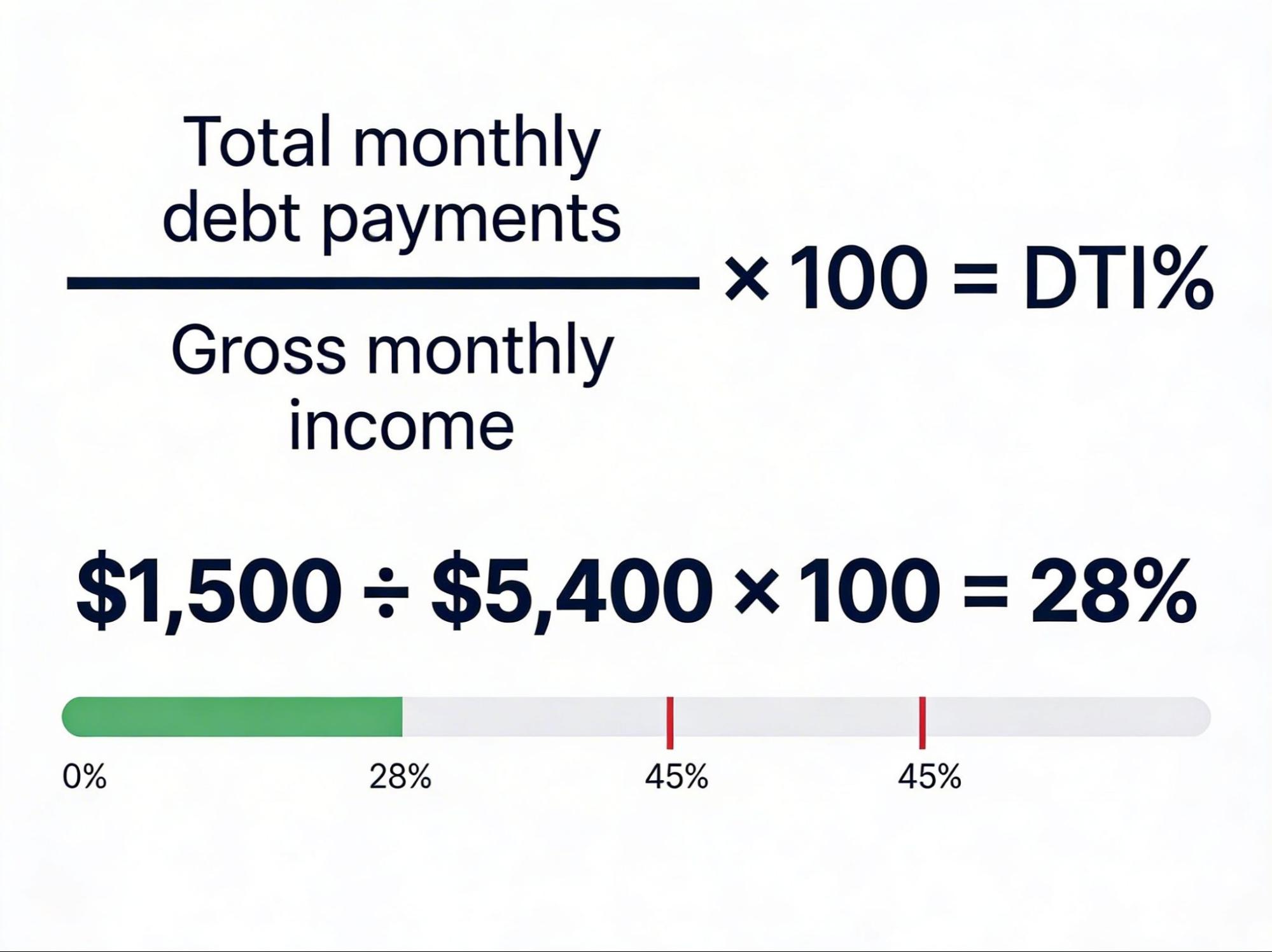
The key qualifying rule: total monthly loan and rent payments, including the proposed mortgage, should not exceed 45% of your gross monthly income. This is the standard DTI (debt-to-income) threshold across the major Bahamian banks.
Mortgages for Foreign (Non-Resident) Buyers
Foreign buyers can obtain financing in The Bahamas, but the terms are stricter than for local residents:
-
Maximum 60-70% LTV financing: A 30-40% down payment is required.
-
Shorter mortgage terms: Typically 15-25 years maximum for non-residents, depending on your down payment and terms.
-
More documentation: You’ll need to provide proof of income, bank references, and, usually, a credit report from your home country.
-
International Persons Landholding Act (IPHA) registration: Required for non-Bahamians on certain property types. Your attorney handles this.
The main lenders serving non-resident buyers are the international banks with Bahamian branches: RBC Royal Bank, CIBC FirstCaribbean, and Scotiabank. They’re structured to handle cross-border income verification and foreign buyer documentation efficiently.
Pro Tip: Get your documents together before you talk to a lender. This should include three years of tax returns, recent bank statements, and a pay slip (or audited financials if self-employed). Walking in prepared makes all the difference.
Current Bahamas Mortgage Rates
As of late 2025 and early 2026, the average residential mortgage interest rate in the Bahamas is approximately 5%-6.0%.
For foreign buyers, expect 6-8% depending on the lender and your profile. Private lenders, which some buyers use when bank timelines are too slow, typically start at 8% or higher.
It’s important to remember that rates shift, and individual lenders set their own products. The figures above reflect averages and ranges at the time of writing. Always confirm current rates directly with the lender before making any financial decisions.
Pro Tip: Get quotes from at least two lenders before committing. One or two international banks and one or two local banks are a good combination. Rates, fees, and structures vary more than you expect.
Finance Companies and Lenders in The Bahamas
It may be difficult to know where to start when shopping around for a mortgage. For instance, which banks actually lend in The Bahamas, and what do each offer? Our preferred lender is
Here’s a breakdown of other options:
|
Lender |
Who can apply |
Min. down payment |
Max. term |
Rate range |
|
RBC Royal Bank |
Residents & non-residents |
10% (res) / 35% (non-res) |
30 yrs (res) / 15 yrs (non-res) |
~5–7% |
|
CIBC FirstCaribbean |
Residents & non-residents |
30% (non-resident) |
Up to 15–20 yrs |
~6–8% |
|
Scotiabank |
Residents & non-residents |
From 10% (resident) |
Up to 30 yrs |
~5–7% |
|
Fidelity Bank Bahamas |
Residents |
From 10% |
Up to 30 yrs |
~5–6% |
|
Bank of the Bahamas |
Residents |
From 10% |
Up to 30 yrs |
~5–6% |
|
Bahamas Mortgage Corporation |
Bahamian citizens (govt) |
Varies |
Varies |
Subsidised |
|
Private lenders |
Residents & non-residents |
35–50% |
Shorter terms |
~8%+ |
Please note that the Bahamas Mortgage Corporation (BMC) is a government-backed entity primarily designed to help Bahamian citizens access affordable home financing. It is not typically available to foreign buyers.
Private lenders are worth exploring, particularly for construction loans, non-standard properties, or situations where a bank’s timeline won’t work. The trade-off for working with private lenders is typically higher rates and fees, as well as a larger down payment (35-50%).
What Do You Need to Qualify for a Bahamas Mortgage?
Whether you're a local buyer or flying in from abroad, lenders want the same basic assurance: that you can (and will) repay the loan. Getting your documents organized before you start the process isn't just smart, it's the difference between a smooth closing and a stressful one.
Once you've shopped around for the best mortgage rates, here's what to have ready.
Mortgage Documents Required by All Buyers
Whether you're purchasing a beachfront villa or a private island retreat, getting your paperwork in order is the unglamorous but non-negotiable first step — and every buyer, foreign or local, will need the same core documents ready to go.
-
Valid passport and government-issued photo ID
-
Proof of income: most recent pay slips, or three years of audited financial statements if self-employed
-
Recent bank statements (typically the last 3–6 months)
-
A signed purchase agreement or offer letter for the property
-
A licensed appraisal of the property
-
Life insurance and property insurance (often mandatory conditions of the mortgage)
Additional Requirements for Foreign Buyers
Buying paradise from abroad comes with a few extra hoops; nothing insurmountable, but foreign buyers should expect a more thorough vetting process and come prepared with documentation that proves both their financial standing and their intentions.
-
A credit report from your home country
-
References from at least two financial institutions
-
Documentation for IPHA registration (your attorney will manage this, but budget for the government fee)
-
In some cases, evidence of an interest reserve account equivalent to one year’s interest on the mortgage
-
If buying an investment property: a business plan or rental income projection
The Debt-to-Income Rule to Know
Most Bahamian banks use a debt-to-income ratio threshold of 40-45% of gross monthly income. This means that your total monthly debt obligations (including the proposed mortgage) should stay under 45% of your gross income. If you’re near that ceiling, paying down existing debt before applying is worth it.
Pro Tip: Run a quick DTI check before you approach a lender. Add up your proposed monthly mortgage payment plus any other debt payments, then divide by your gross monthly income. If the result is above 40%, expect questions and have a plan in place.
How Long Does Mortgage Approval Take in The Bahamas?
This is where many buyers are caught off guard. The Bahamas operates on its own pace, and mortgage approvals are no exception.
Through a local or international bank, plan for 30–60 days from full application to final approval.
Complex files, buying on the Family Islands, and missing documentation can all push that out.
Remember that private lenders can move in a matter of weeks because their underwriting process is simpler. The trade-off is a higher cost.
The number one cause of delays: incomplete applications. Gather every document before you submit, not as you go. Missing a single form can set the process back significantly.
See also: How Long Does Closing on a House Take in The Bahamas
Other Ways to Finance a House in The Bahamas
A traditional bank mortgage is the most common route, but it's far from the only one. Financing a home in The Bahamas can look very different depending on your citizenship status, the property type, and how the deal is structured.
Here's a look at the alternatives worth knowing about:
Cash Purchase
Cash buyers have a genuine advantage in this market. Transactions move faster, there’s less paperwork, and on new-build properties, particularly in developments like Grand Isle in Exuma or Rokers Point, cash buyers often have room to negotiate a discount off the asking price.
Developer Financing
Some developers offer their own financing or payment plans. This is more common in planned communities and new builds, but it’s worth exploring if that’s the type of property you’re interested in. Terms vary, so read the fine print. It can be a good route if you don’t qualify for bank financing or want to avoid that process.
Seller Financing
In rare cases, a seller may agree to carry some or all of the financing. It's uncommon in the Bahamian market for good reason: with property values rising and demand staying strong, most sellers have little incentive to offer flexible terms when they can simply sell at full price. When it does happen, it's usually with investment properties, vacant land, or motivated sellers who need to move a property quickly.
If you go this route, get a real estate attorney involved before signing anything. Without a formal legal framework governing these arrangements, the details of how payments are structured and what happens if the deal falls apart can be unclear, and disputes are common. A well-drafted agreement reduces that risk considerably.
Private Lenders
Private lenders (mortgage funds, private investors, specialist brokers) may be able to cover what banks don’t. Rates start around 8%, and down payments will typically run 35-50%. Not the cheapest route, but often the most accessible for certain buyers or property types.
Pro Tip: Family Island properties (for example, Eleuthera) can face extra scrutiny from lenders due to their marketability. Work with an agent who knows the specific island and its market.
Our Advice: How to Set Yourself Up for Success
We’ve guided buyers through this process for over 30 years: local first-timers, U.S. and Canadian investors, expats, and everyone in between.
A few things reliably make the difference between a smooth transaction and a painful one:
-
Get pre-qualified before you start seriously viewing properties. Knowing your budget ceiling and having a lender’s conditional pre-approval puts you in a stronger position when the right property comes up.
-
Understand your true all-in cost. Budget for VAT on conveyance (10% flat for foreign buyers), legal fees (typically around 2.5% of purchase price), property appraisal, mortgage registration, and insurance. These add up, and they're due at closing. See our full costs & fees breakdown for figures.
-
Work with a local attorney from day one. A bank-approved local attorney is required. They handle the title search, IPHA registration for foreign buyers, and mortgage registration.
-
Don’t assume your home-country mortgage will transfer. U.S. or Canadian mortgages don’t typically transfer. Apply through a Bahamian bank or one of its branches, which is a separate process with its own requirements.
If you’re ready to start the conversation, reach out for a free consultation. We’ll help you understand the financing landscape and make a confident move.
FAQs: Bahamas Mortgage
1. Can foreigners get a mortgage in The Bahamas?
Yes, through RBC Royal Bank, CIBC FirstCaribbean, and Scotiabank. The terms tend to be stricter than for residents: a higher down payment (30-40%), a shorter loan term (15-20 years), and more documentation.
2. What are the current mortgage rates in The Bahamas?
The average for resident borrowers is approximately 5-6%. Foreign buyers typically see 6–8%. Private lenders generally start at 8% or above. Always confirm current figures directly with your chosen lender.
3. How much do I need for a down payment?
How much you need for a down payment will depend on who you are and how you're financing. Local Bahamian residents can put down as little as 10% when using Mortgage Indemnity Insurance (MII), which protects the lender against default and allows for higher loan-to-value lending.
Foreign buyers face a higher bar: most Bahamian banks require a minimum of 30-40% down payment, reflecting the additional risk lenders take on with non-resident borrowers. If you're going through a private lender, budget for up to 50%. The more you can put down, the stronger your negotiating position on rate and terms.
4. How long does mortgage approval take?
Through a Bahamian bank, expect 30–60 days from the point of a complete application submission. That timeline assumes your paperwork is in order from the start: proof of income, bank statements, valuation report, and all the supporting documents your lender asks for upfront.
Incomplete applications are by far the most common reason approvals drag on, so it's worth taking the time to get everything together before you submit rather than scrambling to fill gaps afterward.
If speed matters, private lenders can move considerably faster, sometimes within a few weeks, though the trade-off is typically a higher interest rate.
5. Do I need a local attorney to get a mortgage in The Bahamas?
Yes, and required. Every mortgage transaction in The Bahamas requires a local attorney, and your lender will typically require them to be on the bank's approved list. Your attorney handles the title search to confirm the property is free of encumbrances, prepares and registers the mortgage with the Registrar General, and, for foreign buyers, manages the registration process with the Investments Board under the International Persons Landholding Act (IPHA).
It's worth noting that the attorney represents the bank's interests in this process, not yours. If you want independent legal advice on the transaction, and most experienced buyers do, you'll want to engage your own attorney separately. It's an added cost, but one that's rarely regretted.
Posted by Helen Dupuch on
Enjoy this blog post? Click here to subscribe for updates
Leave A Comment