
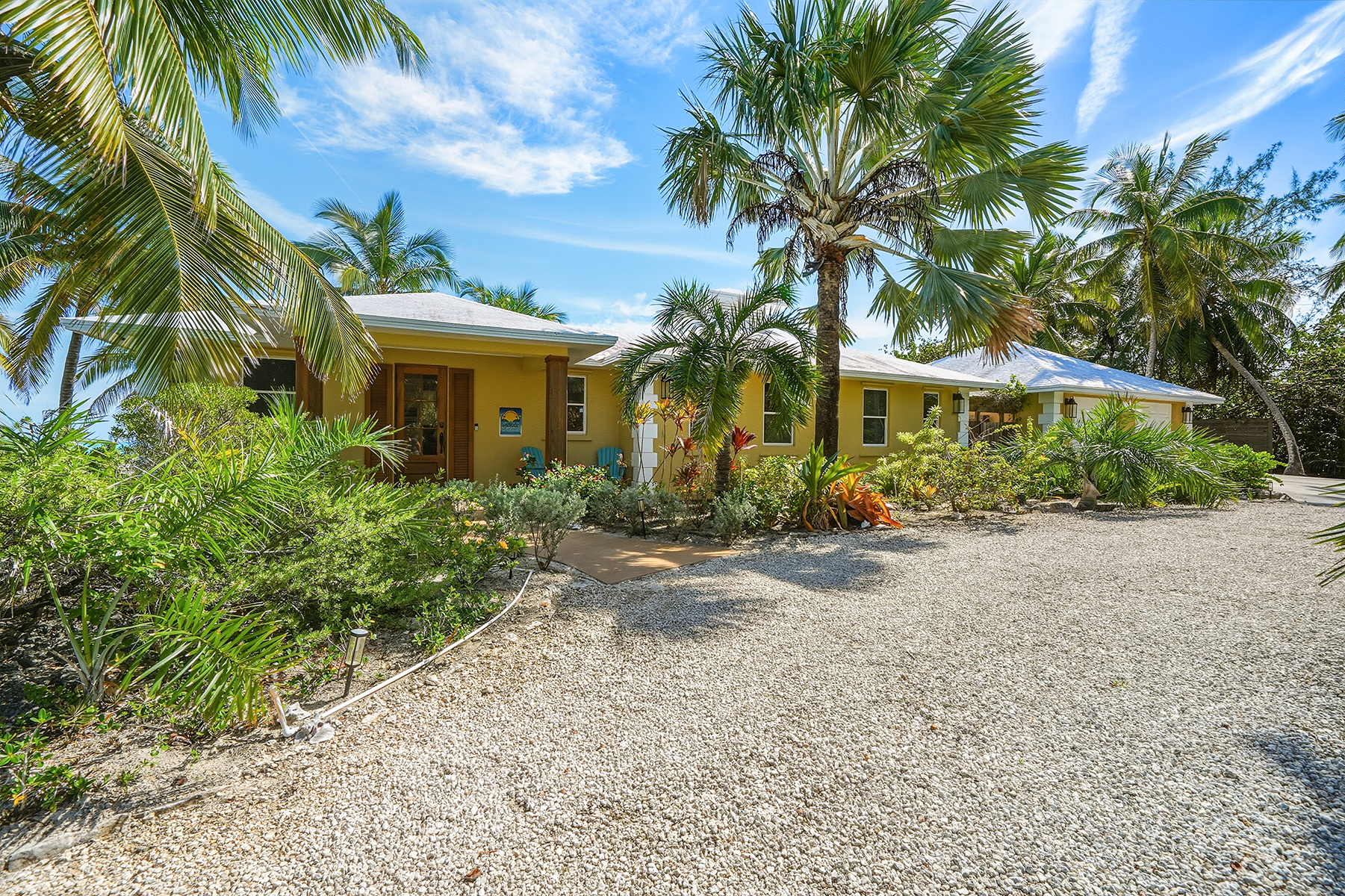

Selling a home on your own can be a challenging journey. The allure of moving to The Bahamas is undeniable and has prompted many people, especially Canadians, Americans and Europeans, to buy vacation houses or second homes in this sunny paradise.
But when it's time to sell, there can be differences in the selling process, specifically in the Bahamas, that can take sellers by surprise. To help you navigate this, we're here to walk you through what experienced Bahamas sellers know that first-timers often don't.
From market analysis to the advantages of engaging real estate professionals, we’ll share insider tips for selling property in The Bahamas that you won't find anywhere else.
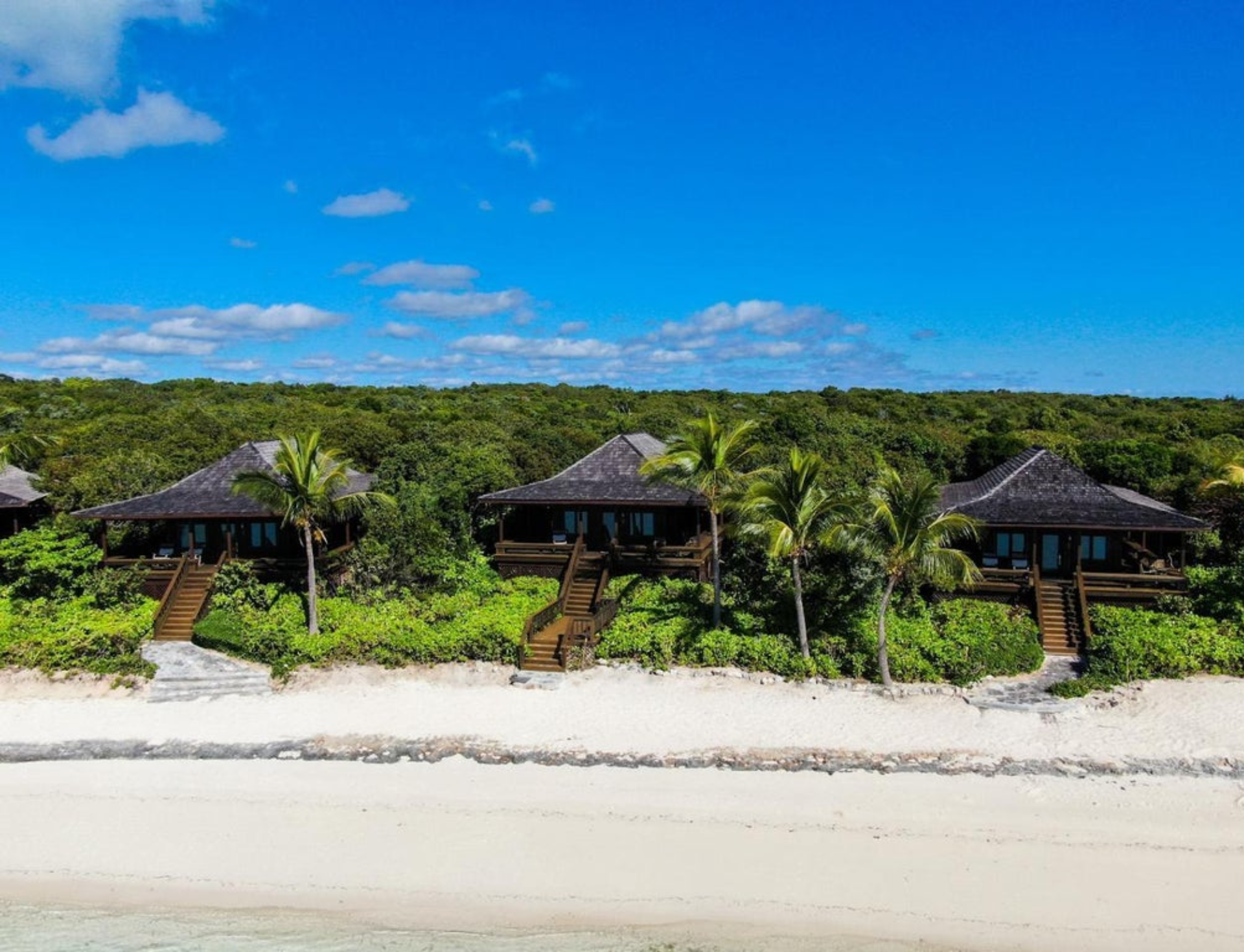
Real Estate Market Condition for Sellers (2026)
The Bahamas' real estate market continues to offer meaningful advantages for sellers. The market retains a seller-friendly character driven by persistently low inventory, strong international demand, and limited new supply.
The key to understanding this unique market lies in the ever-present low inventory. In Nassau, inventory remained approximately 20% below prior-year levels heading into 2026, meaning buyers are competing for fewer properties than at any point in recent memory; a dynamic that consistently works in sellers' favor.
This scarcity compels buyers who are truly committed to buying a property in The Bahamas. When you're faced with limited options and a firm desire to turn your Bahamian dream into reality, you're more likely to settle on agreeable prices and terms for the seller.
Particularly in Nassau and rapidly developing Family Islands, this presents a strong advantage. Properties along the ocean or with ocean views are perennially sought after, and gated communities and developments, known for their security and amenities, continue to attract buyers.
While Nassau boasts the most amenities and options, high demand, low inventory, and higher prices are driving real estate investors and native Bahamians to explore other islands as well.
In Q4 2025, Eleuthera homes led Family Island performance, posting year-over-year gains in both contracted and completed sales, while Abaco showed resilience supported by steady buyer engagement.
Overall, this translates to a resilient market with steady demand, ensuring that property values remain reasonable.
Expert Tip: The Family Islands will likely continue to see steady demand as buyers look for quieter, affordable locations away from the bustling cityscape of Nassau/New Providence.
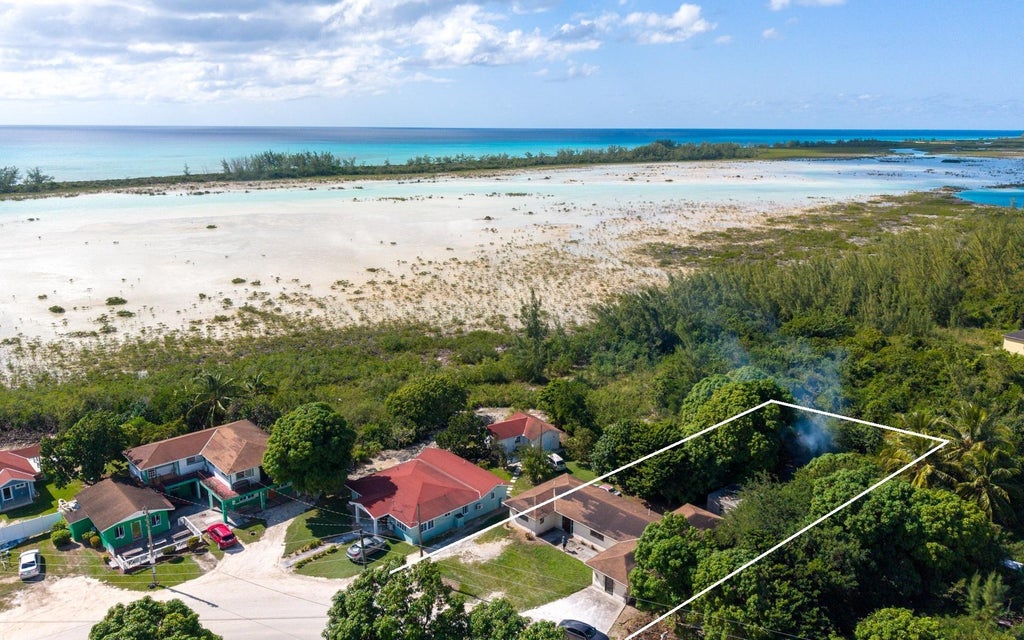
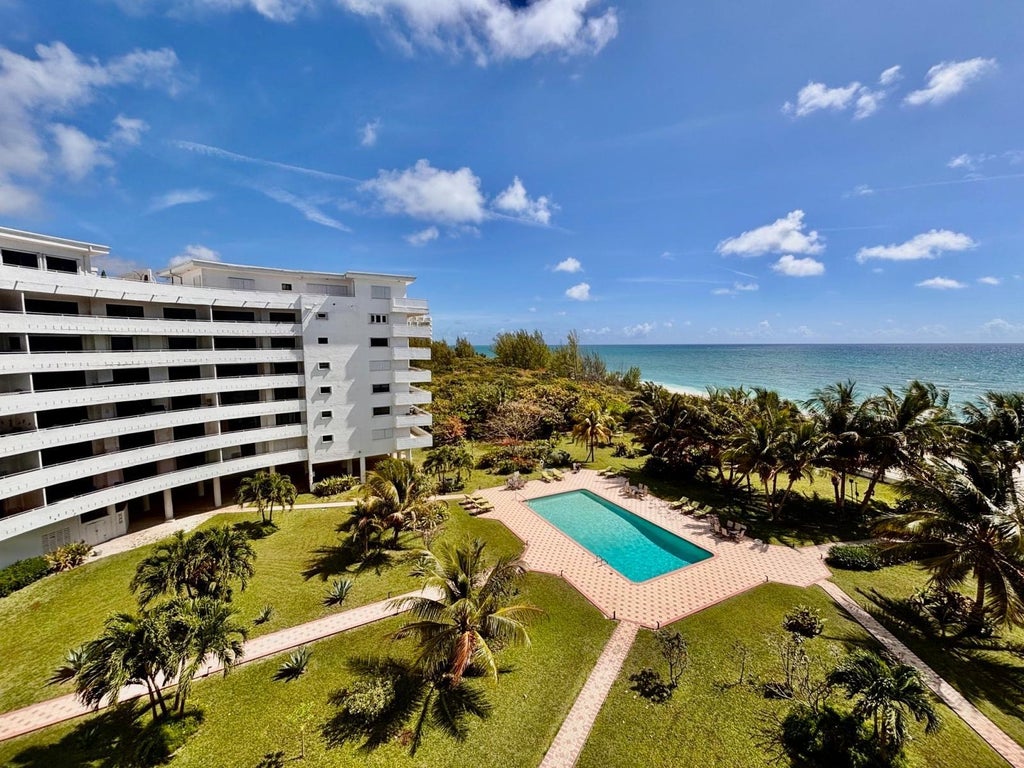
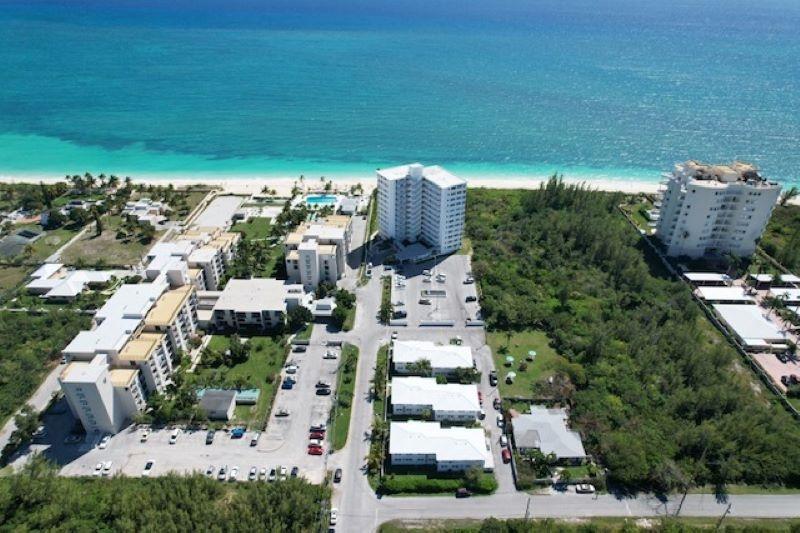
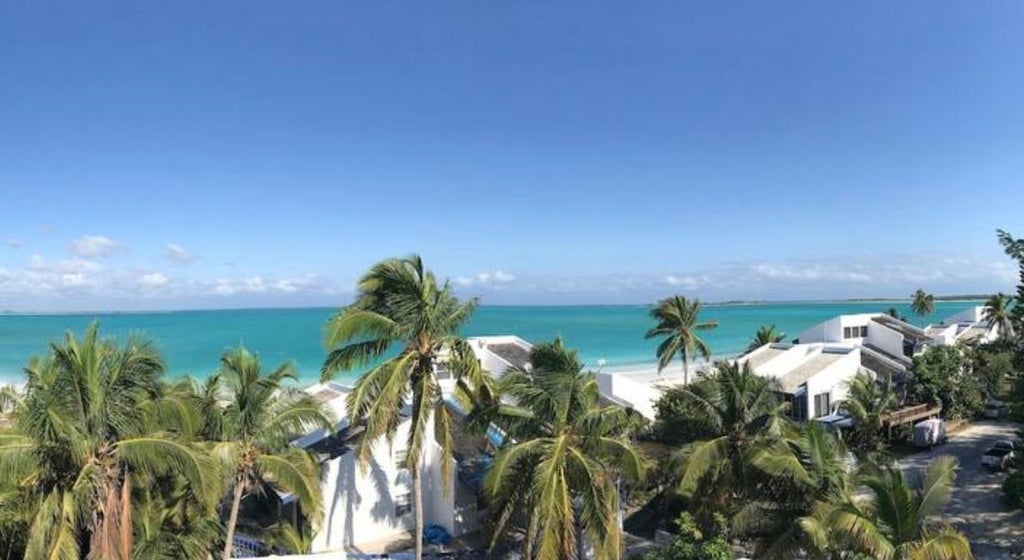
Family Island Homes in The Bahamas
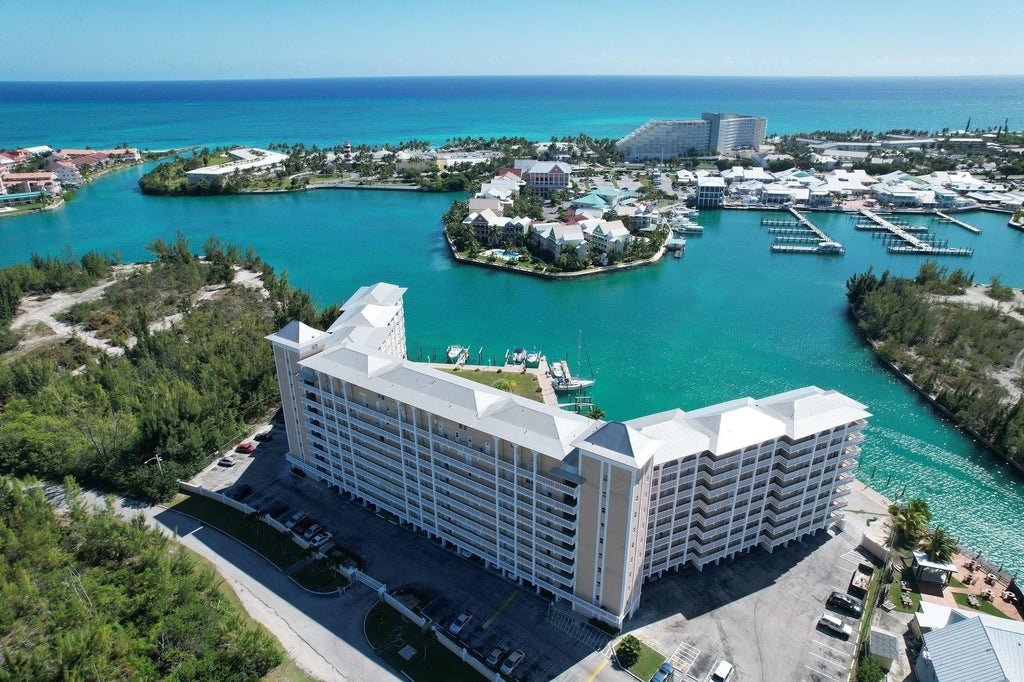
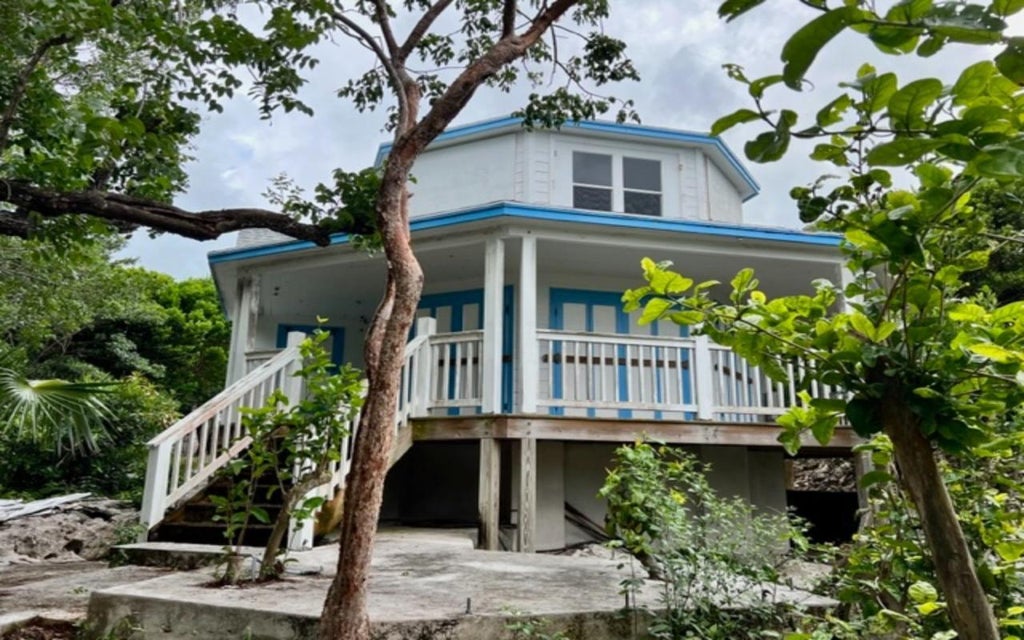


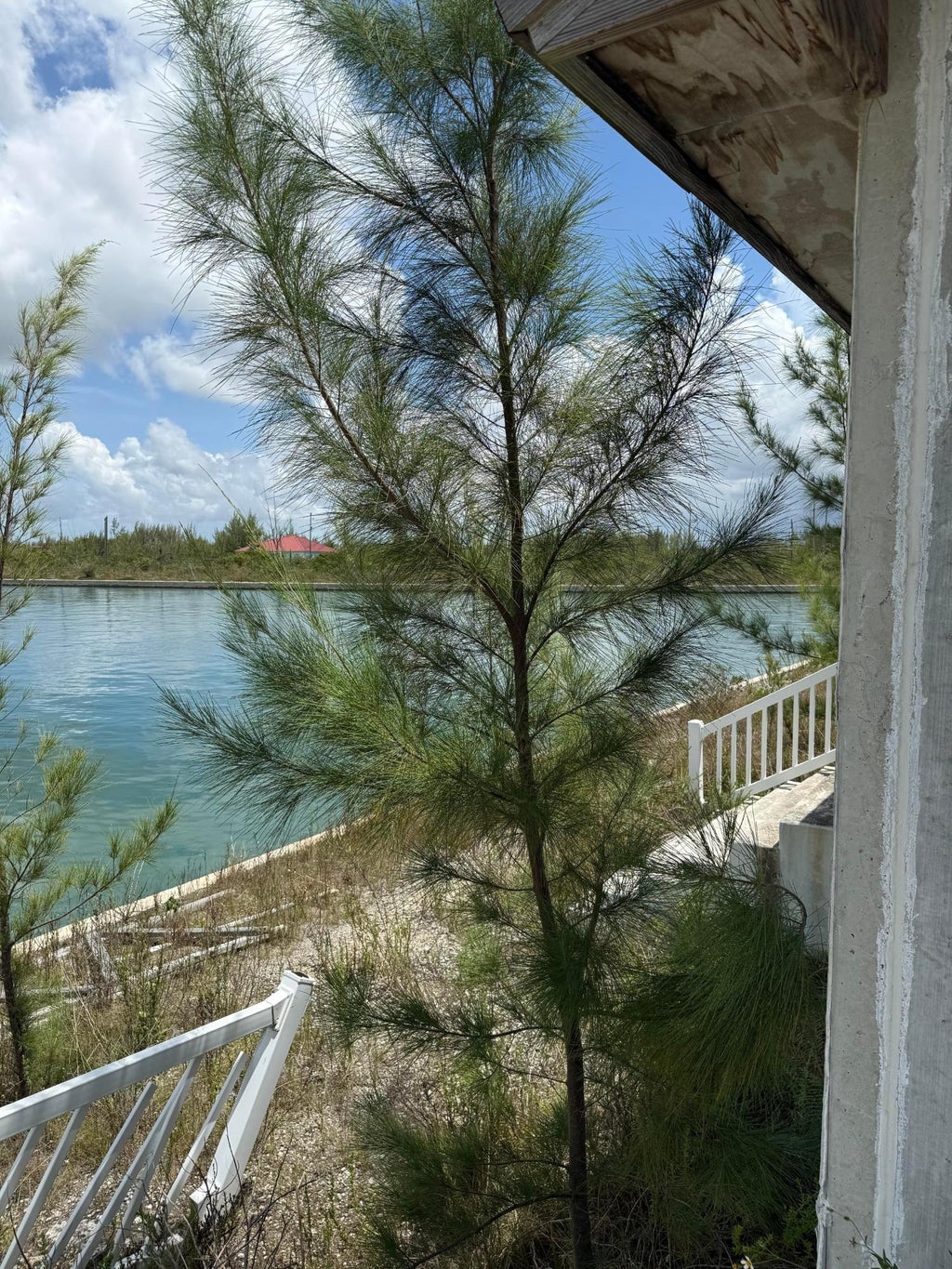
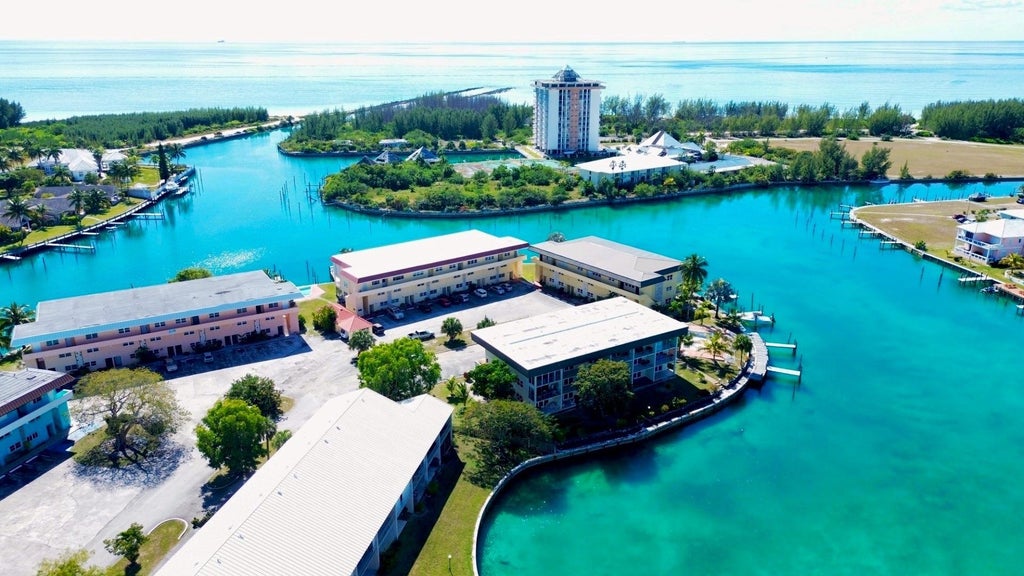


Selling Your Home in the Bahamas With ERA Dupuch
Selling Bahamas property on your own can be an enticing idea, but the risks are more significant than they might appear at first.
Without access to the Bahamas MLS, you're pricing blind, relying on public listings rather than actual closed-sale data. Overprice by even 10% and your property can stagnate for months, eventually selling for less than it would have with an accurate list price from day one. Underprice and you leave money on the table.
Beyond pricing, the Bahamian market has nuances that trip up even experienced sellers. The VAT Comptroller can independently assess your property's value and levy tax on that figure if it exceeds your agreed sale price — a surprise that's difficult to navigate without professional guidance. Foreign buyers also require specific due diligence, including Exchange Control registration, which an unlicensed seller isn't equipped to manage.
To streamline and simplify the process, it's better to engage real estate experts. Here’s a look at how we sell your property in the Bahamas, step by step.
List your property with ERA Dupuch Real Estate today
1. Evaluate The Property
To sell, a property must be priced correctly. If priced too high, the home will sit on the market for an extended time, become a stale listing, and ultimately sell for a lower price.
Conversely, if a property is priced too low, money will be left on the table for the sellers who thought they were saving money by trying to sell their home themselves.
So, how do we determine the market value of a home?
At ERA Dupuch Real Estate, we analyse past sales of comparable properties, explore the property’s condition, similarities and differences between them and the subject property, and then calculate the market value.
As agents and brokers, we have access to all historical data courtesy of the Bahamas MLS (Multiple Listing Service), the database that contains all past and active listings.
Expert Tip: We compare like with like in terms of location, size, condition and level of finish. Moreover, we remain neutral in our evaluation of the property. Owners selling a property will often add value because of their emotional investment and attachment to the property.
2. Prepare Your Property for Sale
Making specific changes and repairs can not only increase the property's value but also make it more attractive to potential buyers. This step involves assessing the property's condition and making strategic improvements.
Here are a few tips from our experts:
-
Professional Staging: Hiring a professional stager can work wonders. They know how to highlight the property's best features and create an inviting atmosphere that appeals to prospective buyers.
-
Curb Appeal: First impressions matter. Improving your property's exterior can significantly impact a buyer's perception. You don’t need to make major changes— landscaping or a fresh coat of paint can work wonders.
-
Repairs vs. Upgrades: A professional agent can advise you on which repairs or upgrades are worth the investment. Some improvements might be essential, while others may not provide a sufficient return on investment.
-
Declutter: Remove personal items and declutter spaces to help buyers envision themselves living in the property.
Our experienced real estate agents will assess the property and help you determine the most effective changes to make—at no additional cost—ultimately saving you time and money while achieving better results.
3. List Your Property
Listing a property may not be as simple as it may seem. Essential documentation, such as property details, legal documents, and any recent inspections or appraisals, is needed to list.
That’s why it’s best to leave it to local real estate experts like us. We use our experience and knowledge to work with you and create an enticing listing that captures the essence of your property.
All properties listed with ERA Dupuch are listed on the Bahamas MLS, which feeds listings to all participating brokerages and automatically syndicates to Realtor.com, Realtor.ca, and a host of other international portals, maximizing exposure to the overseas buyers who make up a significant share of the Bahamian market.
We also leverage our network to market your property strategically, ensuring it reaches the right audience. Here’s how you can make sure your listing stands out:
-
Professional Photography: High-quality images are essential for an online listing, so a professional photographer is hired to ensure your property looks its best.
-
Compelling Descriptions: Engaging property descriptions that highlight unique features and appeal to potential buyers are essential.
-
SEO Keywords: These are the words people typically use to search for similar properties. Using them in the descriptions will improve the chances of your property appearing in search results.
-
Online Exposure: Leveraging online platforms and networks is crucial in today's real estate market. Agents can ensure your listing is featured on global listing portals to maximise exposure.
List your property with ERA Dupuch Real Estate today
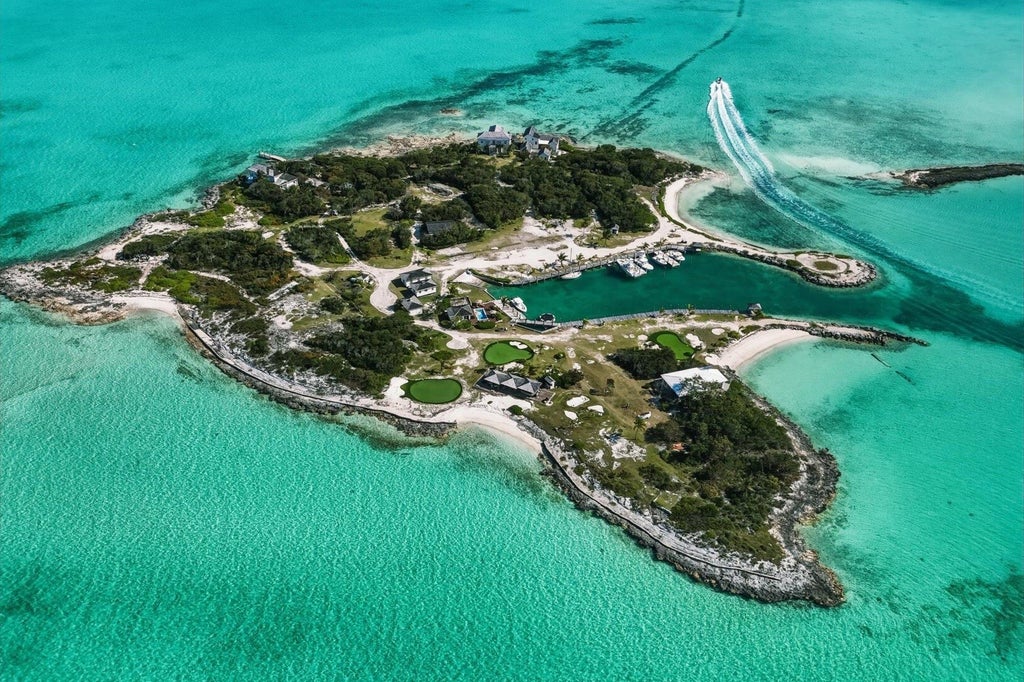
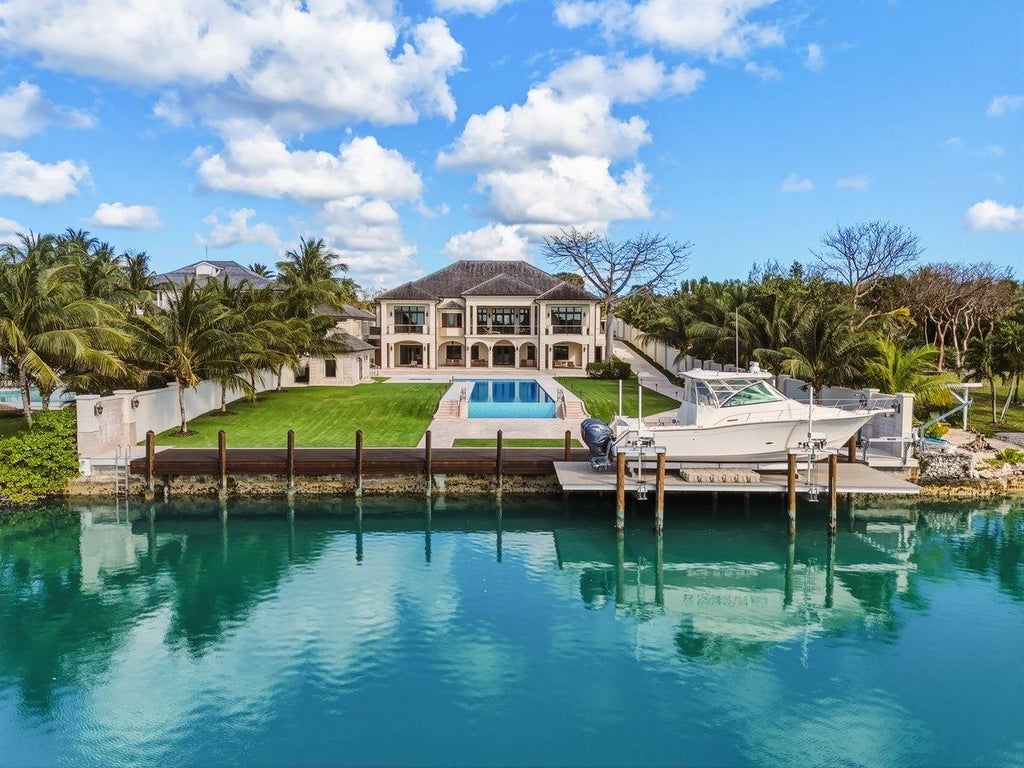
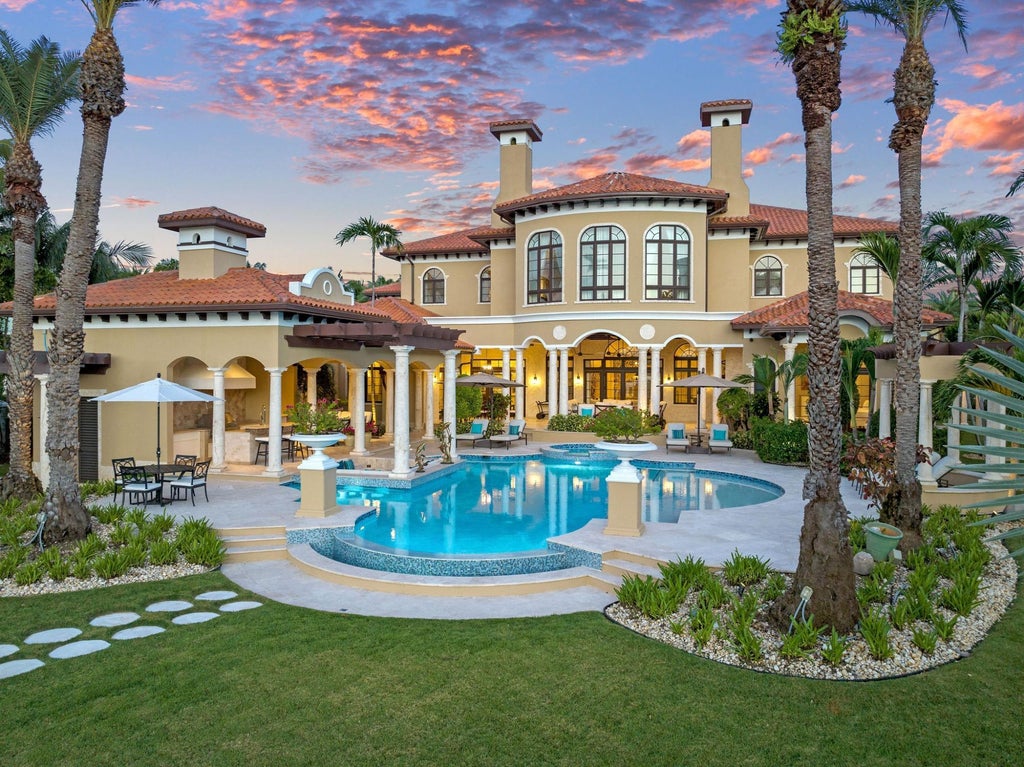
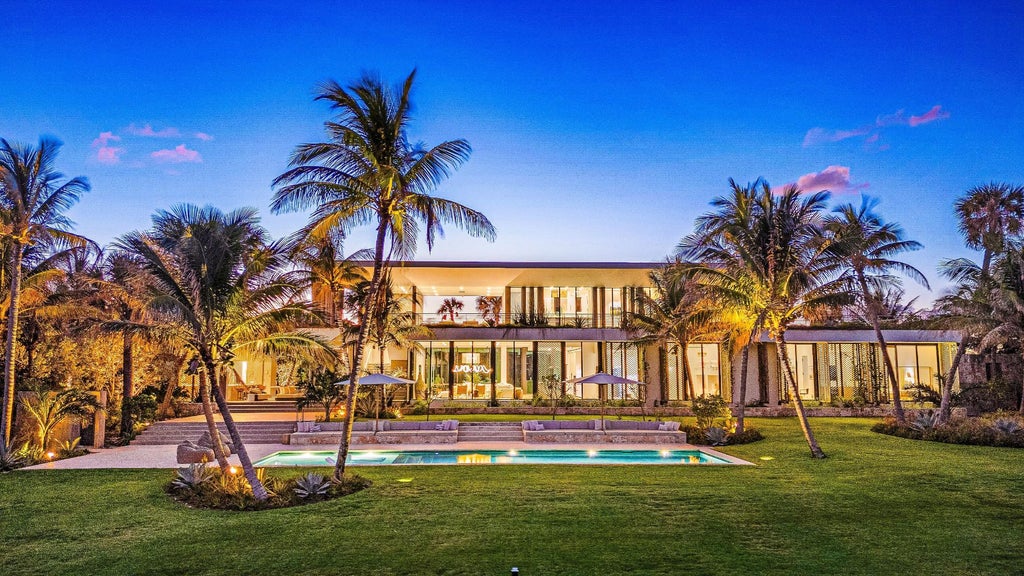
Explore the List of Luxury Properties for Sale in the Bahamas


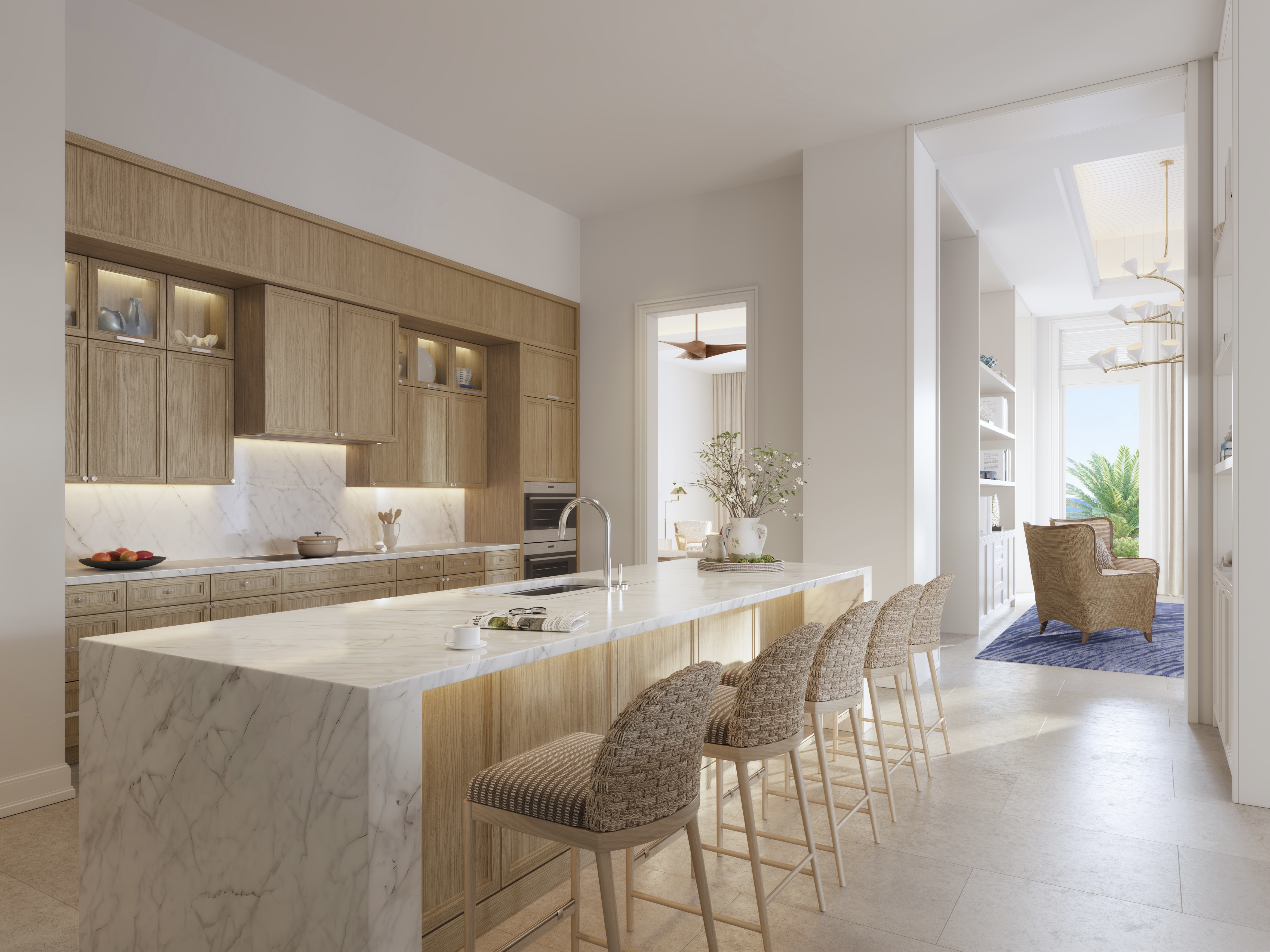
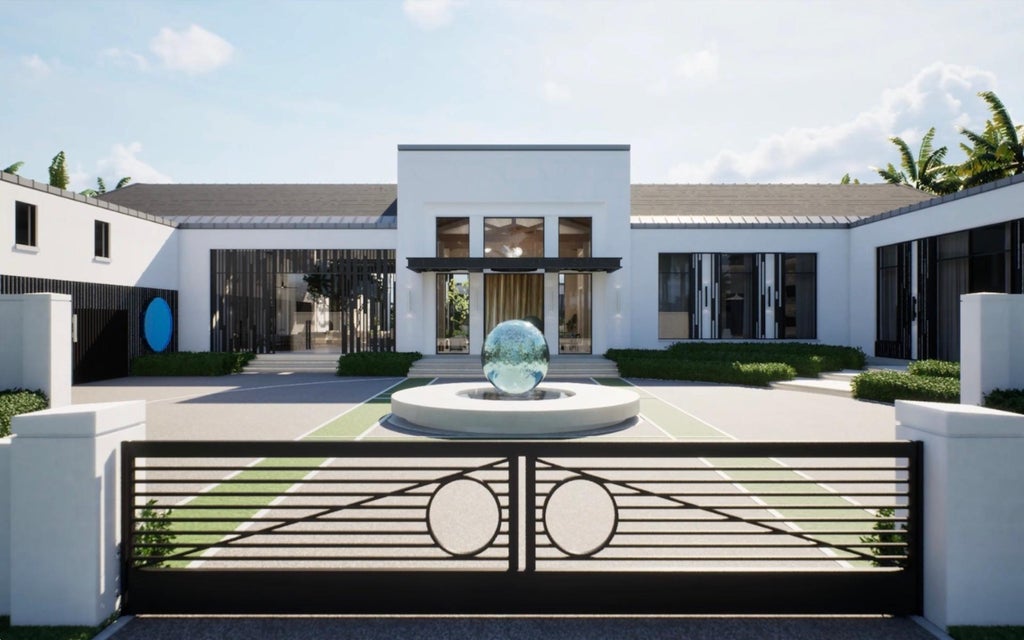



4. Optimise Your Listing and Marketing Strategy
Once your property is listed, it will need to be distributed to attract the right buyers. Your real estate agent will use their network to spread the word, but don't underestimate your own connections.
Share your property with friends and acquaintances; you never know who might connect you with a potential home buyer.
Word of mouth is a potent tool that can lead to unexpected connections. It can take anywhere from a few weeks, if priced correctly, to a year or even longer if the listing isn’t priced to sell.
To make your property eye-catching, you could talk to your agent about including…
-
Aerial Footage: Drone footage can be used to share stunning aerial views of your property and surroundings with potential buyers, giving them a clear view of your house and the neighbourhood.
-
Virtual Reality (VR) or 3D Tours: These immersive experiences allow potential buyers to explore your home virtually. They can walk through your property to better comprehend the layout and flow.
Once your property garners enough interest, your agent may host an open house. You should discuss with your agent whether your property will benefit from an open house, how to prepare for it, and how to host it.
5. Negotiate and Close The Deal
After attracting potential buyers, the next crucial phase is negotiating and finalising the transaction. This stage involves securing a purchaser, negotiating terms, handling paperwork, and addressing legalities.
It's essential to be precise in these activities to ensure a smooth closing process. Here’s what our expert brokers suggest for a successful deal:
-
Secure a Purchaser: Your real estate agent will vet potential buyers to ensure they are financially ready and committed to the purchase.
-
Negotiate: Professional agents are skilled negotiators, and they can get you the best deal by helping you navigate financial transactions and contractual details.
You will need to hire an attorney to handle the legal aspects of the transaction. This includes document review, title searches, and ensuring compliance with Bahamian real estate laws.
Closing Costs
Closing costs are often paid at the end of the transaction, so having a clear understanding of these expenses is essential for a successful and hassle-free conclusion to your real estate journey.
Typical Seller Costs at a Glance
|
Seller Cost |
$300K Property |
$700K Property |
$1.2M Property |
|
VAT on Conveyance (seller's 50% share as a Bahamian citizen) |
2.5–6% |
4.5% (avg) |
5% (avg) |
|
VAT on Conveyance (seller's 50% share as a non-Bahamian) |
10% flat → $15,000 |
10% flat → $35,000 |
10% flat → $60,000 |
|
Real Estate Commission (6%) + 12% VAT on fee |
~$20,160 |
~$47,040 |
~$80,640 |
|
Legal Fees (2.5%) + 12% VAT on fee |
~$8,400 |
~$19,600 |
~$33,600 |
|
Estimated Total Seller Costs |
~$33K–$48K (11–16%) |
~$82K–$102K (12–15%) |
~$144K–$174K (12–15%) |
Note: These figures are estimates for illustrative purposes. Verify current rates with your agent and attorney before proceeding.
Breaking it down further, closing costs usually include the following:
-
Value Added Tax: The Bahamas Government VAT on conveyance is a graduated tax for Bahamian citizens, ranging from 2.5% (under $100K) to 10% (over $1M). Non-Bahamian sellers pay a flat 10% rate on the full property value. VAT is typically split 50/50 between buyer and seller unless otherwise negotiated. These rates took effect July 1, 2022.
-
Real Estate Commission: The BREA-mandated minimum commission is 6% for developed property and 10% for undeveloped land. There is 12% VAT on the commission fee.
-
Legal Fees: Legal fees in The Bahamas are typically 2.5% of the selling price per side, plus 12% VAT on the fee. Buyers and sellers each pay their own attorney independently.
It’s best not to navigate these crucial steps alone; enlist our professional team from start to finish to complete the sale without hassle.
While it's tempting to sell your house on your own, it can get challenging. The Bahamas' real estate market is unique, and engaging professionals like ERA Dupuch Real Estate can help you avoid costly mistakes throughout the process.
So, don't embark on this journey alone; let our seasoned professionals ensure a smooth and successful selling experience. List your property with us and make your Bahamas real estate dreams a reality.
Frequently Asked Questions About Selling Property in The Bahamas
Can foreigners sell property in the Bahamas?
Yes. Non-Bahamians who own property can sell freely. Under the International Persons Landholding Act, there are no restrictions on resale. You should register your original purchase with the Central Bank's Exchange Control Department to ensure you can repatriate the sale proceeds in your original investment currency.
How long does it take to sell a property in the Bahamas?
Timelines vary widely. A correctly priced property in a high-demand area can go under contract within a few weeks. Overpriced listings can sit for a year or more. Once under contract, the closing process—title searches, legal review, and conveyance—typically takes 60–90 days.
What are the typical closing costs for a seller in the Bahamas?
Sellers typically pay: 50% of the government VAT on the conveyance (graduated 2.5–10% for Bahamians; flat 10% for non-Bahamians), a 6% real estate commission on improved property (plus 12% VAT on the fee), and their own legal fees (~2.5% of the sale price, plus 12% VAT). Total seller costs usually fall between 10–16% of the sale price.
Do I need a lawyer to sell property in the Bahamas?
Yes. A licensed Bahamian attorney is required to handle the conveyance, conduct the title search, prepare the deed of conveyance, and ensure compliance with Bahamian real estate law. Legal fees are typically 2.5% of the sale price, plus 12% VAT, and are paid separately by each party.
Is there a capital gains tax on property sales in the Bahamas?
No. The Bahamas does not levy capital gains tax, income tax, or inheritance tax. This makes it one of the most tax-efficient jurisdictions in the Caribbean for property sellers; you keep 100% of any appreciation above the transaction costs.
What commission does a Bahamas real estate agent charge?
BREA (Bahamas Real Estate Association) sets minimum commission rates: 6% on improved property (homes, condos) and 10% on undeveloped/vacant land. A 12% VAT applies to the commission fee. In a standard gross transaction, the seller pays the commission.
How is market value determined for a Bahamian property?
Agents and brokers use a Comparative Market Analysis (CMA), drawing on historical sales data from the Bahamas MLS to identify comparable properties (similar location, size, condition, and finish). The VAT Comptroller may also assess value independently; if their appraisal exceeds the agreed sale price, the higher figure is used for VAT calculation.
What is the difference between selling in Nassau vs. the Family Islands?
Nassau (New Providence) offers the largest buyer pool, most amenities, and the broadest MLS exposure. Family Island properties in Eleuthera, Exuma, Abaco, and other islands typically attract buyers seeking privacy, lower prices, or investment in emerging markets. Days on market tend to be longer outside Nassau, but demand has grown steadily in recent years.
Posted by Helen Dupuch onEnjoy this blog post? Click here to subscribe for updates
Leave A Comment