
.jpg)
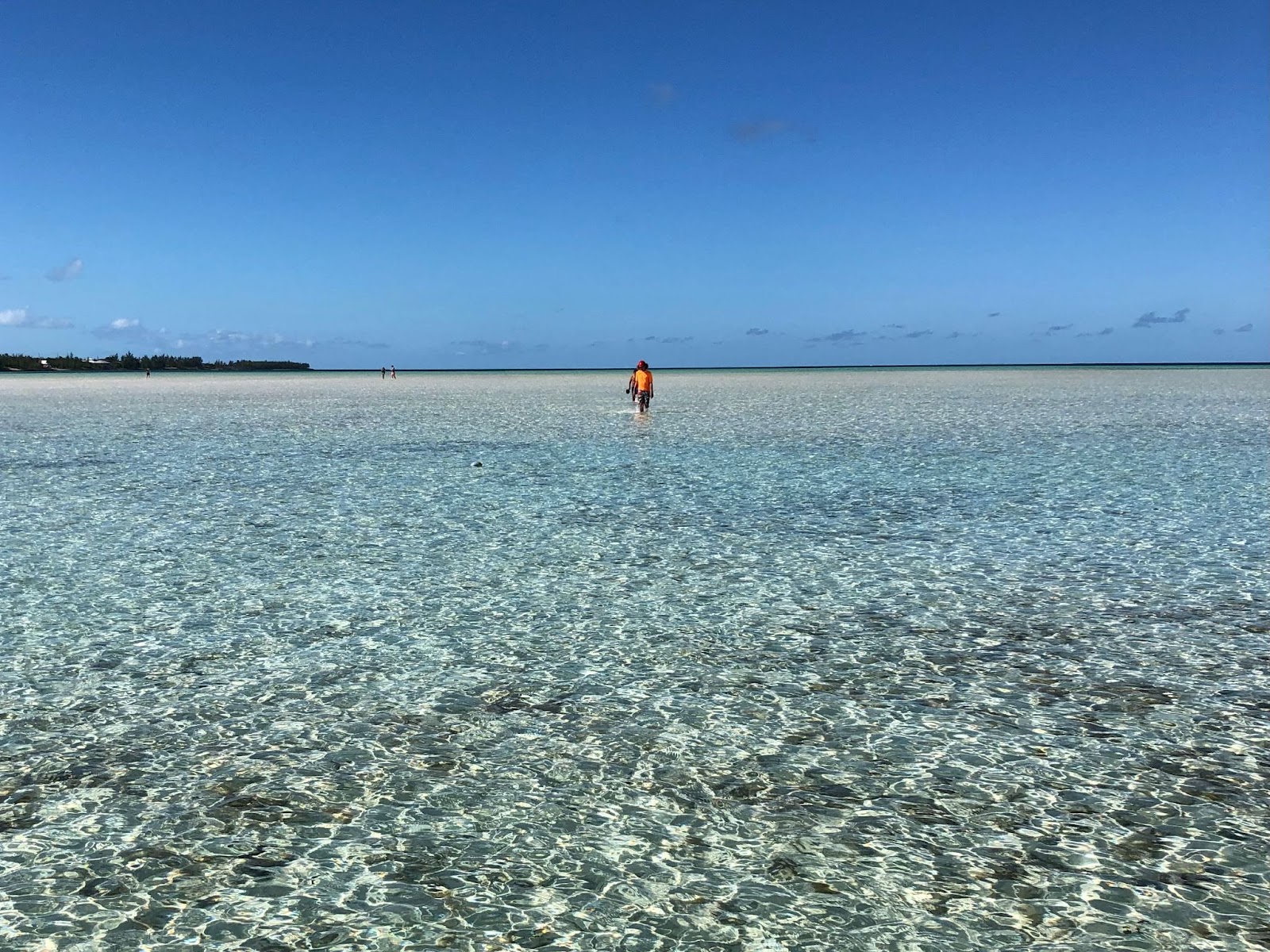
Nestled amidst breathtaking natural beauty, The Bahamas is a dream destination for Europeans and Americans drawn to its vibrant local culture and enticing nightlife. With direct flights from major cities in the US, Canada, and the UK, the Bahamas is a favourite destination among expatriates considering moving to the Bahamas.
The Bahamian archipelago is graced with around 340 days of abundant sunshine and a diverse natural landscape that beckons vacationers, snowbirds, and nature enthusiasts alike. Yet, this tropical paradise offers more than idyllic weather and pristine beaches.
It’s an English-speaking country with a stable democracy and a tax-friendly environment, assuring an expatriate-friendly atmosphere. The Bahamas' thriving real estate market is notable for diverse, affordable luxury housing options.
The key to unlocking your island dreams? Partner with a trusted real estate agency, making your move to The Bahamas an effortless reality.
TL;DR:
- Americans can move to the Bahamas without a visa for up to 90 days.
- Permanent residency requires a qualifying $1M investment as of January 2025.
- No income, capital gains, or inheritance tax.
- Belongings are subject to import duties of 25–45%.
- A work permit is required for employment.
Find a Reliable Real Estate Agent Now
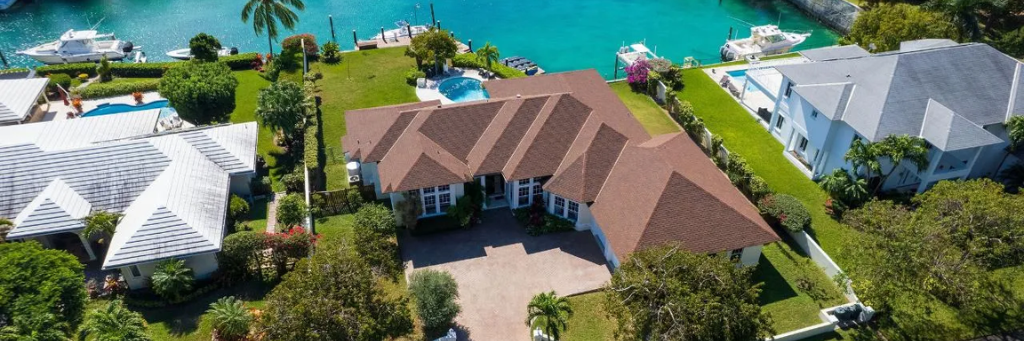
Your Options for Moving to The Bahamas
There are multiple options for getting permits and immigration for those interested in relocation. Here are the two most common options for non-Bahamians to move to The Bahamas.
Permanent Residence: You can live and work in The Bahamas with a Home Owner's Card, which you can apply for if you own a property or an island in the country.
Expert Tip: As of January 2025, investors purchasing qualifying real estate or zero-coupon bonds valued at $1,000,000 or more are eligible for Economic Permanent Residency (EPR). Purchases above $1,500,000 typically receive priority processing.
Work Permit: If you wish to work in The Bahamas as an employee or a business owner, you can get a work permit to live there.
Expert Tip: If you intend to bring your furry pals with you, you’ll need an Import Permit from the Department of Agriculture.
Finding a Place To Live in The Bahamas
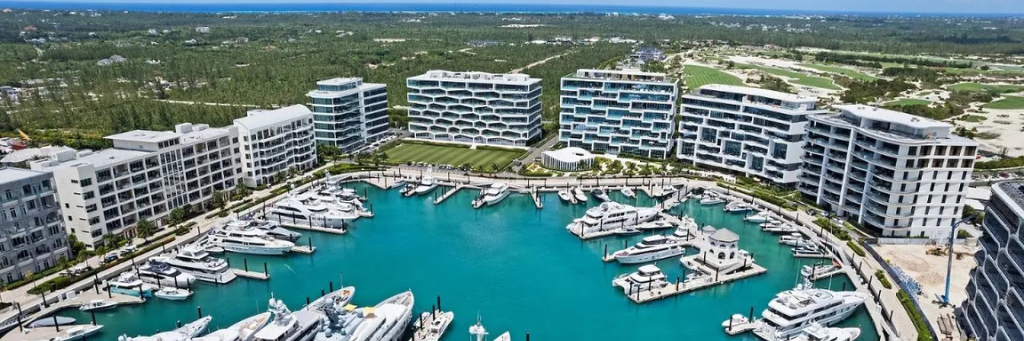
The Bahamas has over 700 islands, each with its unique lifestyle, housing options, amenities, and challenges for those considering moving to The Bahamas.
New Providence and Grand Bahama are typically the most favoured destinations for permanent settlement, with options like Albany, Lyford Cay, and Ocean Club Estates, attracting luxury tourists, celebrity guests, and residents.
Other places, such as the islands of Abaco and Eleuthera, are popular among tourists looking for vacation houses or retirees seeking a retirement home away from bustling urban centres like Nassau and Freeport.
The Bahamas offers diverse real estate options catering to various lifestyles and preferences. From cosy condos to spacious single-family homes and opulent beachfront estates, there's something for everyone seeking to make The Bahamas their new home.
Buying a Home
For expats looking to buy property in The Bahamas, the first step should always be to engage the services of a licensed real estate agency to ensure a smooth and secure transaction. At ERA Dupuch Real Estate, our expert agents and brokers bring a wealth of knowledge and experience to guide you through the intricate process of acquiring your new home.
Buying a home in The Bahamas entails various obligations and negotiations for home prices, commissions, legal fees, and applicable taxes. Additionally, if you wish to renovate or upgrade your property, you will need approval from authorities, a process our experts can assist you with.
Here’s an estimated home price for two of the most popular property types in the Bahamas across different islands.
| Location | Approximate/Median Price of a Condo | Approximate/Median Price of a Beach House |
| Nassau | $549,000 | $1,550,000 |
| Exuma | $550,000 | $3,000,000 |
| Cat Island | N/A | $737,500 |
| Treasure Cay | $495,000 | $495,000 |
*Prices are indicative and reflect general market ranges. Contact an ERA Dupuch agent for current listings and accurate pricing in your target area.
Explore properties for sale in The Bahamas
.png)
Renting a Home
When you’re making the life-changing decision to relocate to a place as beautiful and diverse as The Bahamas, it's crucial to approach it thoughtfully.
If you know what kind of property you want, you can confidently secure the home of your dreams. However, if you'd like to shop around and become more familiar with your options before making a long-term commitment, many opt for short-term rentals in different neighbourhoods.
This approach offers an excellent opportunity to explore the region and determine the best place to call home.
Short-Term Rentals: These are perfect for stays under 90 days, allowing you the flexibility to experience various areas before settling down.
Long-Term Rentals: Typically, you’ll need to secure a lease for a minimum of one year for a long-term stay. It will allow you enough time to settle in, search for your permanent residence, and complete the buying process.
Most rental properties in The Bahamas come furnished, either partially or fully, so you don’t need to worry about basic furniture and essential appliances while you’re still looking around.
In Nassau, long-term rentals average around $2,200/month for a 1-bedroom, $3,200 for a 2-bedroom, and $4,500 for a 3-bedroom unit. Beachfront and luxury properties run considerably higher. In contrast, more affordable coastal options can be found in areas like Treasure Cay and Abaco.
Expert Tip: While short-term rentals offer flexibility, they can become costly in the long run, so carefully plan your long-term stay in rentals.
When it comes to lease agreements, you'll encounter two main types: Gross lease covers all expenses in the rent, including utilities, taxes, and maintenance costs, whereas, in a net lease, the tenant is responsible for paying utility bills, property taxes, and maintenance, in addition to the agreed-upon rent.
Expert Tip: Remember, the Bahamian legal system generally favours landlords over tenants, so it's essential to familiarise yourself with your legal rights before signing any tenancy agreement to ensure a smooth and secure rental experience.
Explore Rentals in The Bahamas
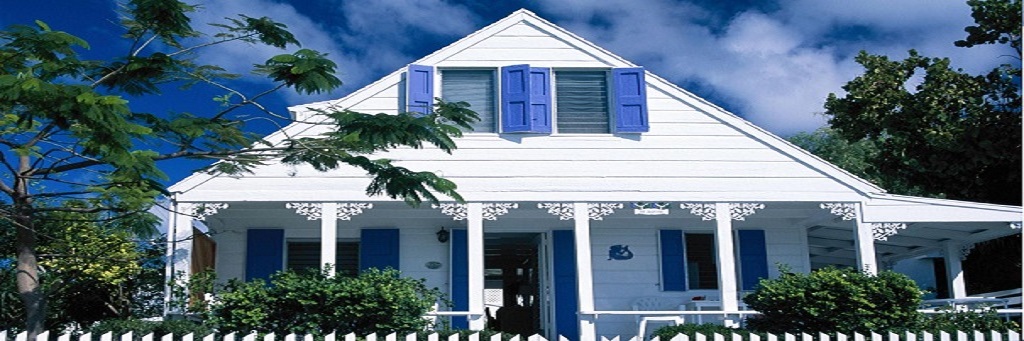
Choosing the Right Property
Remember to factor in the lifestyle, living costs, and investment goals when selecting the right property for your family's needs. Also, make sure the property is hurricane-resistant.
Beachfront properties offer breathtaking views but come at a premium, while inland options are more budget-friendly.
If you’re buying a property purely for investment, evaluate rental rates and resale potential to ensure smart investments, especially in tourist-centric areas like Treasure Cay or Inagua, so plan accordingly for your dream island life.
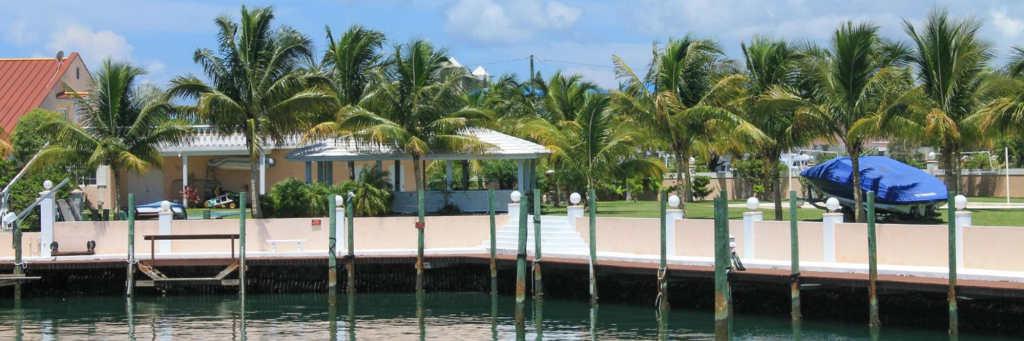
Expert Tips for Expats Moving to The Bahamas
Our real estate experts offer invaluable advice for people interested in relocating to The Bahamas:
Engage a Real Estate Agent: Leverage their local insight, market knowledge, negotiation prowess, and legal know-how to secure the best property deals.
Do Your Research: While agents are essential, you should research yourself to find the ideal neighbourhood and property type for your family since your real estate agents may not answer some questions for you legally.
Identify Deal Breakers: Assess transportation access, safety, pet-friendliness, schools, and budget constraints to discover your non-negotiables.
Get Your Finance in Order: While looking for your ideal home in The Bahamas, remember to organise your finances as well— factor in currency exchange, taxes, local costs, and other legal matters.
Understand Immigration Limitations: Familiarise yourself with immigration regulations, including residency, work permits, property ownership, and investment laws.
Financial Assessment: Evaluate your financial health, income, and long-term objectives to determine your housing budget. Stay updated on the Bahamian real estate market by consulting local experts and monitoring market trends in stable or growing areas.
Choose the Best Real Estate Agents in The Bahamas

How Much Does It Cost To Move to The Bahamas
Relocating to the Bahamas is relatively easy, with friendly immigration laws. Since it’s an island nation, your belongings will have to be shipped or flown in— you will have many logistics options. Though the cost of living can be higher, expats favour the Bahamas for its tropical climate, unique lifestyle, and tax relief.
Taxes
It won’t be incorrect to call The Bahamas a tax haven since there’s no income, capital gains, or inheritance tax. The government relies on indirect taxes such as import duties, stamp taxes, and value-added tax (VAT) to sustain the nation's financial infrastructure.
Businesses in The Bahamas are subject to licence fees, property tax, and national insurance contributions. Understanding this tax landscape is crucial for relocating and investing in this tropical paradise.
Real Estate Costs and Commissions
You should understand the various costs and fees involved in purchasing property to accurately estimate the cost of moving to the Bahamas. You will pay property tax based on the home's price, which varies with the property's location and condition, among other factors.
Buyers also pay a one-time stamp duty, calculated as a percentage of the property's value. Real estate agents charge a commission of around 6% of the sale price. Additionally, if you’re buying a condominium or a property in a gated community, you will typically pay maintenance fees to cover shared expenses and upkeep.
Cost of Living
Cost of living in the Bahamas is generally higher because the islands need to import most of the goods from overseas. The estimated monthly cost of living for a family of four can be around $6,395, excluding rent. Monthly grocery costs are among the higher line items, driven by import duties on most staple goods, whereas utilities, including electricity, cooling, water, and garbage, can cost about $318 monthly.
Transportation Cost
Public transportation in The Bahamas varies by location. For example, the capital, Nassau, has buses, taxis, and jitneys, while other islands have limited options. In gated communities and on small islands, golf carts are a popular means of transport.
On average, gasoline costs around $1.46 per litre, while a single jitney ride costs $1.25–$1.50, with no formal monthly pass system. Boats are a go-to choice for island hopping, but charter airlines are also available for quicker inter-island travel.
Learn More About the Cost of Living in The Bahamas
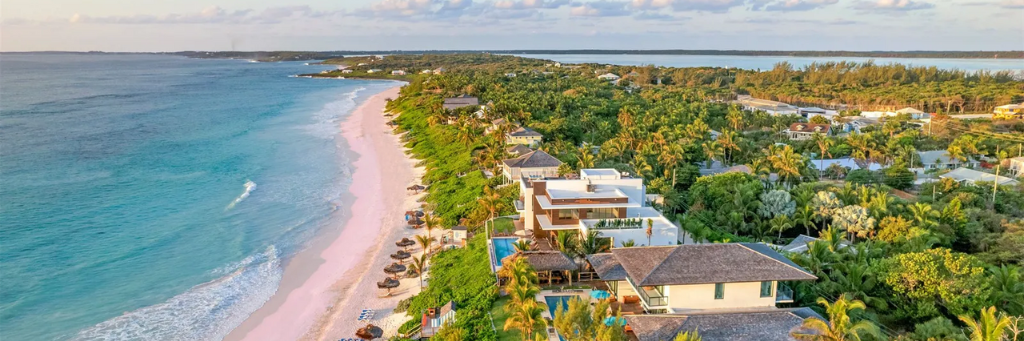
How Is It Like Living in The Bahamas for Someone Relocating From Outside of the Country
For an expat moving to The Bahamas, the first thing you’ll need to get used to is the ‘Island Time!’ Things can take a little longer than you may be used to. For example, closing dates are not as precise as in the US or UK.
The key is to be patient and enjoy the relaxed pace of life.
Moving to The Bahamas entails a laid-back, sunny lifestyle that attracts people from the US, Canada, Europe, and other parts of the world. This island nation blends British heritage with American influence— you will find many similarities and a few differences!
Healthcare is similar to what you're used to, though some specialised care may require travel to the US.
Expert Tip: Make sure your health insurance includes overseas coverage.
Those looking for employment can find opportunities in teaching, banking and accounting, but a work permit is necessary. If you're moving with kids, you will discover diverse schooling options with British, US, and International curriculums, which may influence your choice of location when buying a home.
Buy a House Near One of the Best Beaches in The Bahamas
Moving to The Bahamas is a significant life decision, and our seasoned real estate experts can ensure a smooth relocation. With their extensive experience in the Bahamas real estate market, our agents will guide you through researching your new destination, meeting all necessary legal requirements, and providing ongoing support.
Contact ERA Dupuch Real Estate now to make your island dream a reality.
Frequently Asked Questions About Moving to The Bahamas
1. Can Americans move to the Bahamas permanently?
Yes. Americans can move to The Bahamas permanently through two main pathways: Economic Permanent Residency (EPR), which requires a qualifying real estate or zero-coupon bond investment of $1,000,000 or more, or a Home Owner's Card for property owners who don't meet the EPR threshold.
Those working in The Bahamas additionally need a work permit. There are no restrictions on Americans purchasing property here.
2. How long can a US citizen stay in The Bahamas without a visa?
US citizens can stay in The Bahamas for up to 90 days without a visa, with a valid passport and proof of onward travel. For longer stays, a residency pathway or an annual work permit is required. Canadians enjoy a longer visa-free period of up to eight months.
3. Do I need to pay US taxes if I move to the Bahamas?
US citizens are taxed on worldwide income regardless of where they live, so moving to the Bahamas does not eliminate your US tax obligation. However, the Bahamas imposes no additional income, capital gains, or inheritance tax, meaning your total tax burden is limited to what the US charges.
Many American expats use the Foreign Earned Income Exclusion (FEIE) to reduce their effective rate significantly. We recommend consulting a tax professional familiar with US expat obligations before making the move.
4. Can I bring my pets when moving to The Bahamas?
Yes, but you will need an Import Permit from the Bahamas Department of Agriculture before your pet arrives. Requirements include a current health certificate issued by a licensed veterinarian and proof of up-to-date vaccinations. It's worth starting this process well ahead of your move date, as processing times vary.
5. How hard is it to ship belongings to The Bahamas?
Most people moving to The Bahamas ship their belongings by sea freight or fly with essentials in advance. Import duties on household goods average 25–45% of declared value, plus 10% VAT — which is why many long-term residents choose to buy furnished properties rather than ship everything from home.
Engaging a customs broker familiar with Bahamian import regulations will save time and avoid surprises at the dock.
Posted by Helen Dupuch onEnjoy this blog post? Click here to subscribe for updates
Leave A Comment